What Emilia-Romagna Actually Is
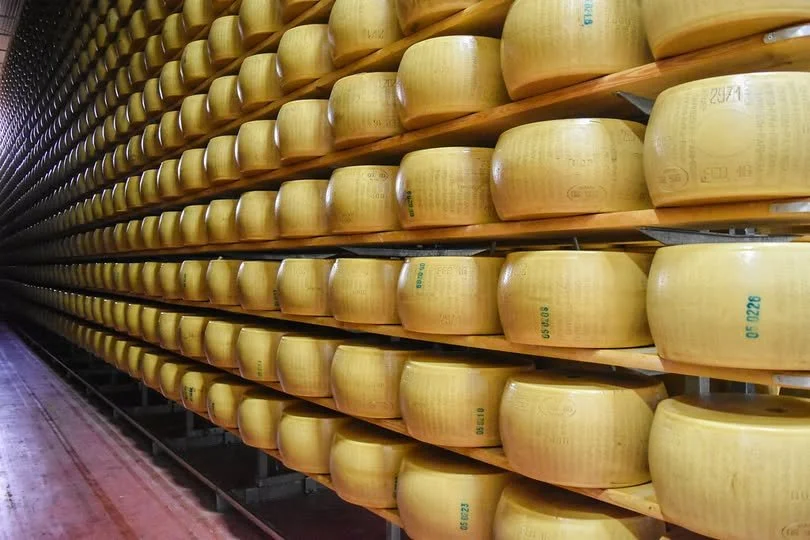
Ask someone to name an Italian region, and Emilia-Romagna rarely comes up. Ask a chef, and it's often the first one they mention.
This is the stretch of northern Italy that produced Parmigiano Reggiano, Prosciutto di Parma, and true balsamic vinegar aged in wooden barrels for decades. Not the balsamic you're picturing. The real thing, made only here, under rules that haven't changed much since the Middle Ages. Add tortellini in broth, tagliatelle al ragù (the actual Bolognese, made nothing like what gets served under that name elsewhere), and mortadella that bears no resemblance to deli meat, and you start to understand why serious food people call this Italy's Food Valley.
Bologna anchors the region. Medieval towers lean over porticoed streets that run for miles, built centuries ago so merchants could walk the city in the rain. It's home to the oldest university in the Western world and, depending on who you ask, the best food city in Italy. Modena and Parma sit close by on the same rail line. Ravenna, an hour east, holds Byzantine mosaics that predate almost everything else on a typical Italy itinerary.
What Emilia-Romagna doesn't have is a headline monument. No Colosseum, no leaning tower, no Amalfi coastline. What it has instead is a region built almost entirely around doing ordinary things extraordinarily well, with a population that has never needed outside validation to know it.