Small, Yet Mighty: A Family Road Trip Through Montenegro
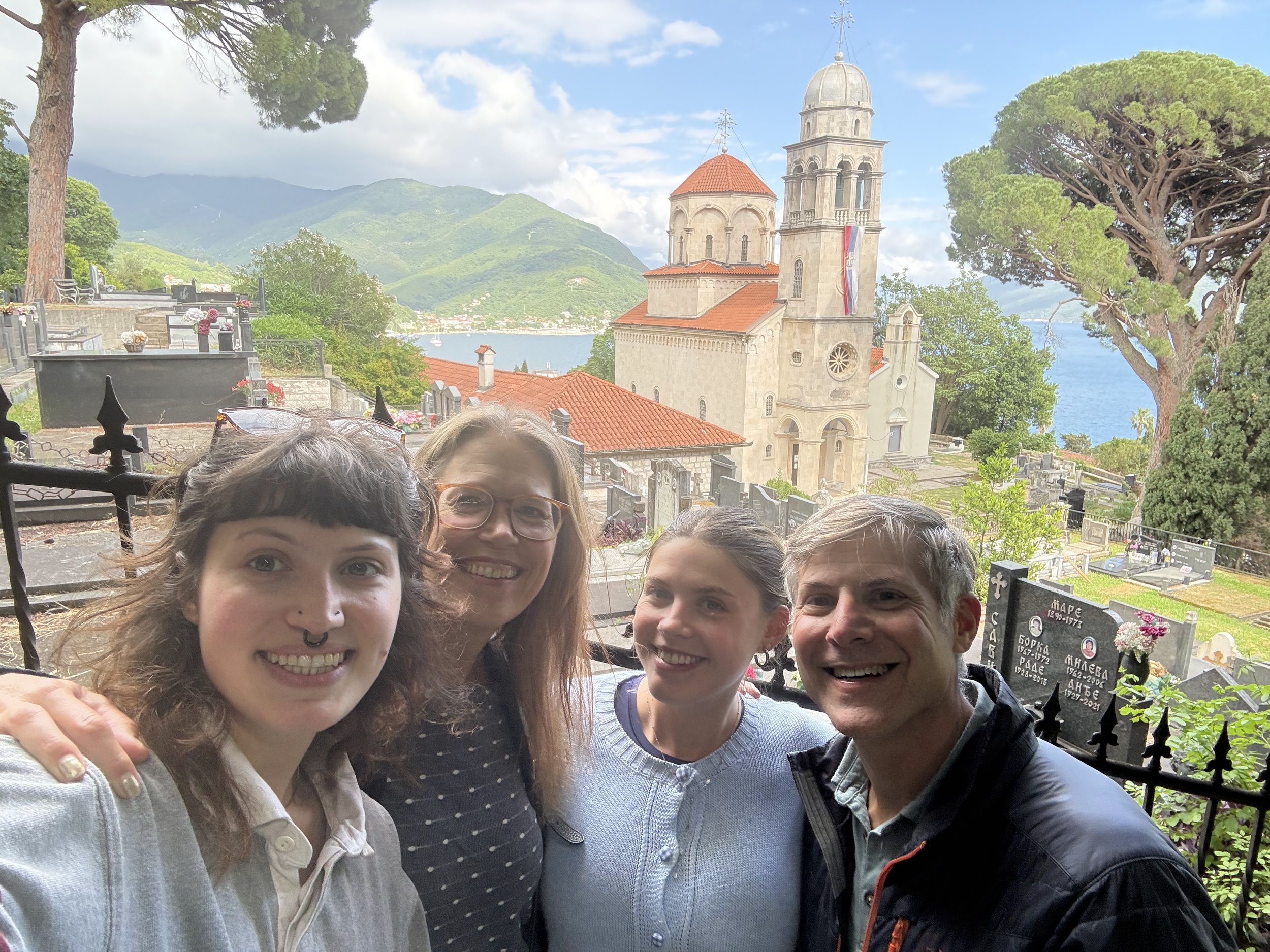
Savina Monastery
Montenegro is truly a hidden gem along the Adriatic. It amazes us that in the US we haven’t heard more about it. Croatia has been the hot spot on the Adriatic for nearly a decade, and it feels like Montenegro is destined to be next.
The inspiration for this trip came from a unique travel puzzle: where do you travel in Europe with a daughter who just finished her study-abroad semester in Portugal but has an expired student visa, meaning she can’t travel within the Schengen zone?
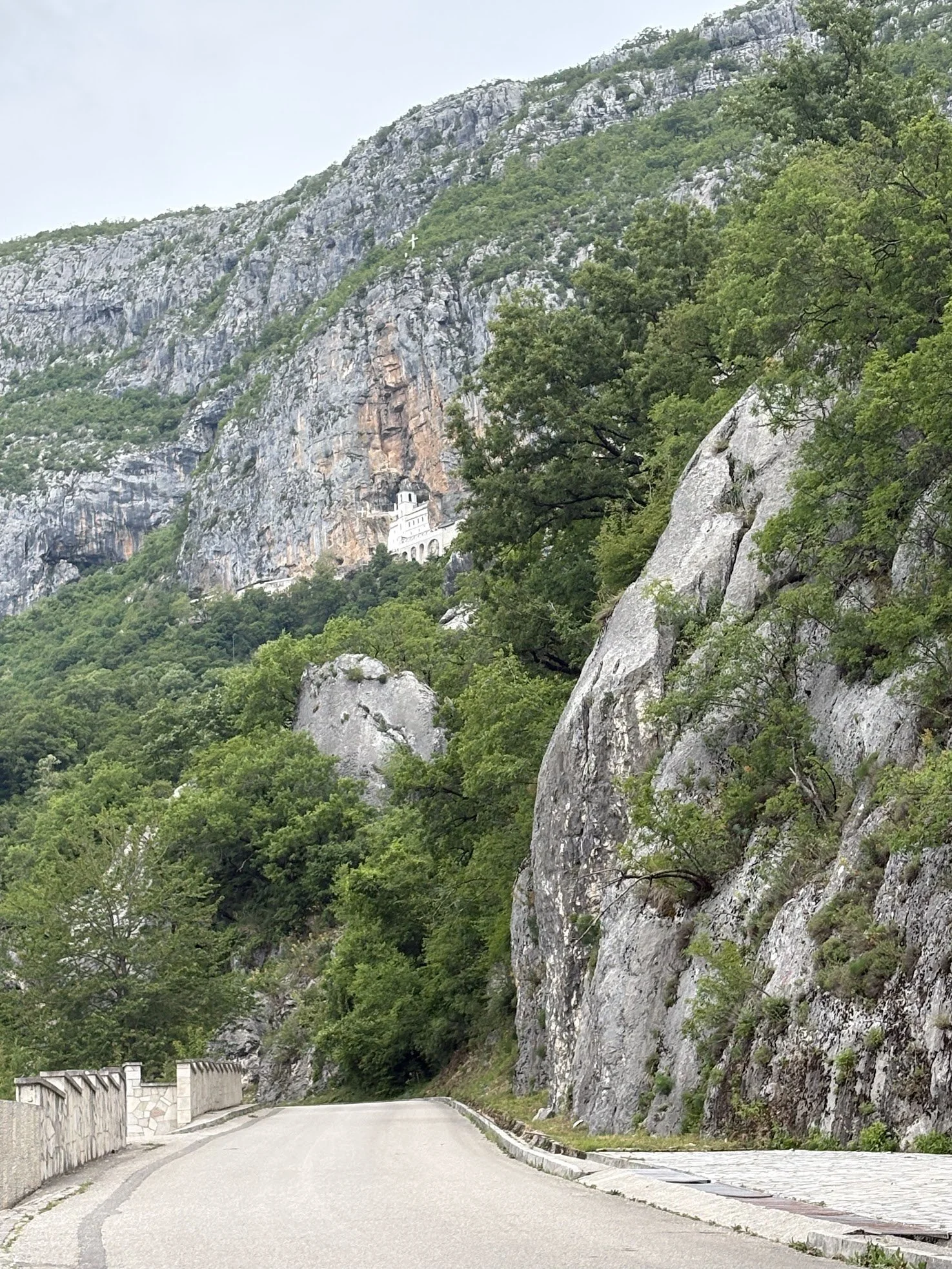
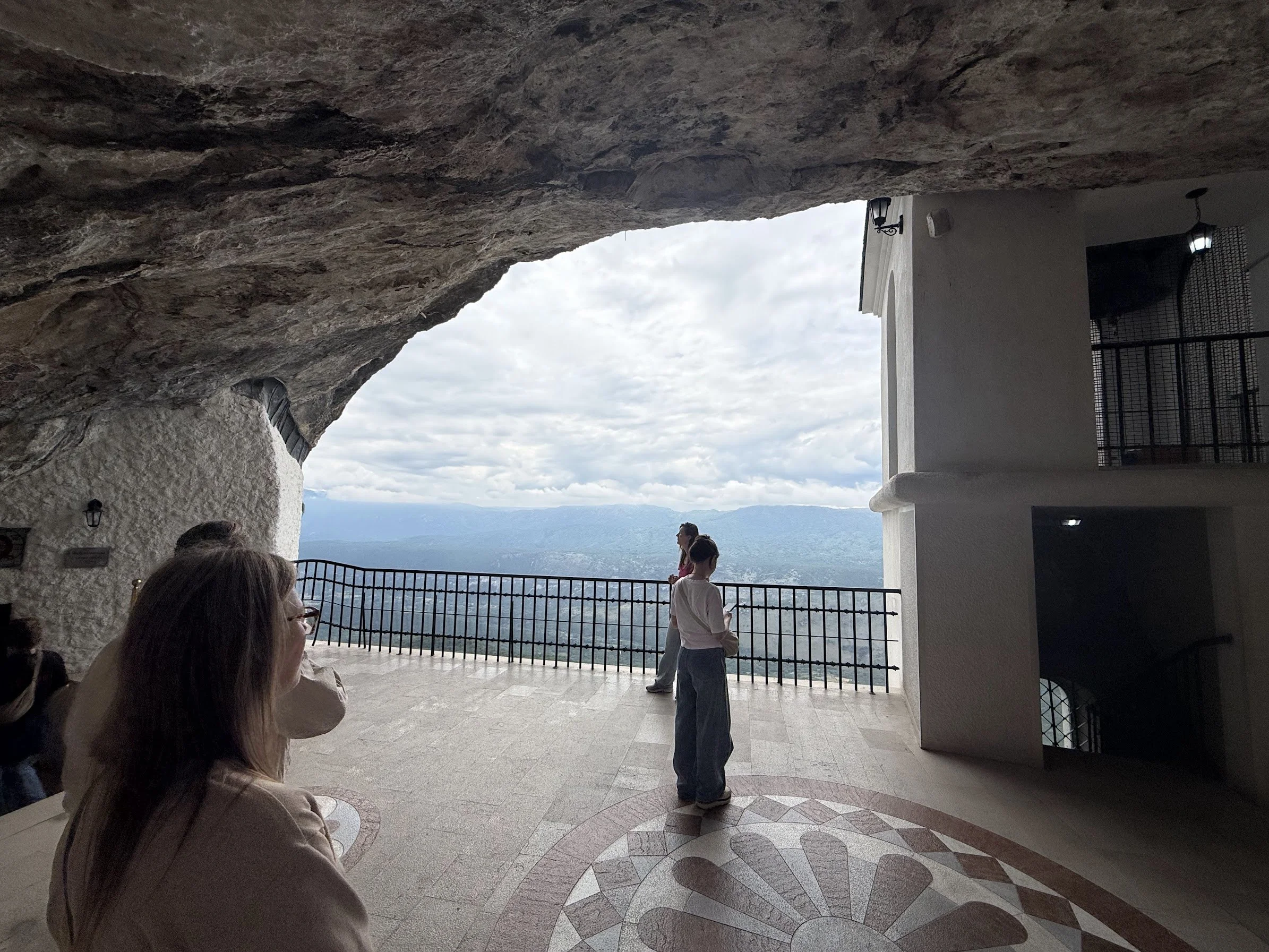
Ostrog Monastery
Our options outside the zone included the UK, Ireland, and a handful of Western Balkan countries. Having already visited the UK and Ireland, we pointed our compass toward Montenegro. After some quick research, we were hooked—the images of charming old stone towns set against dramatic mountain backdrops were enough to sell us.
Deciding on an itinerary wasn’t easy, as the country packs lovely Adriatic coastal towns, massive interior lakes, and rugged National Parks into a very small footprint. We decided to split our time between the sea and the mountains.
Our Itinerary At a Glance
Days 1–2: Budva
Days 3–7: Perast
Days 8–9: Limljani / Lake Skadar
Days 9–11: Žabljak / Durmitor National Park
Days 11–12: Kolašin / Biogradska Gora National Park
Beaching it in Budva
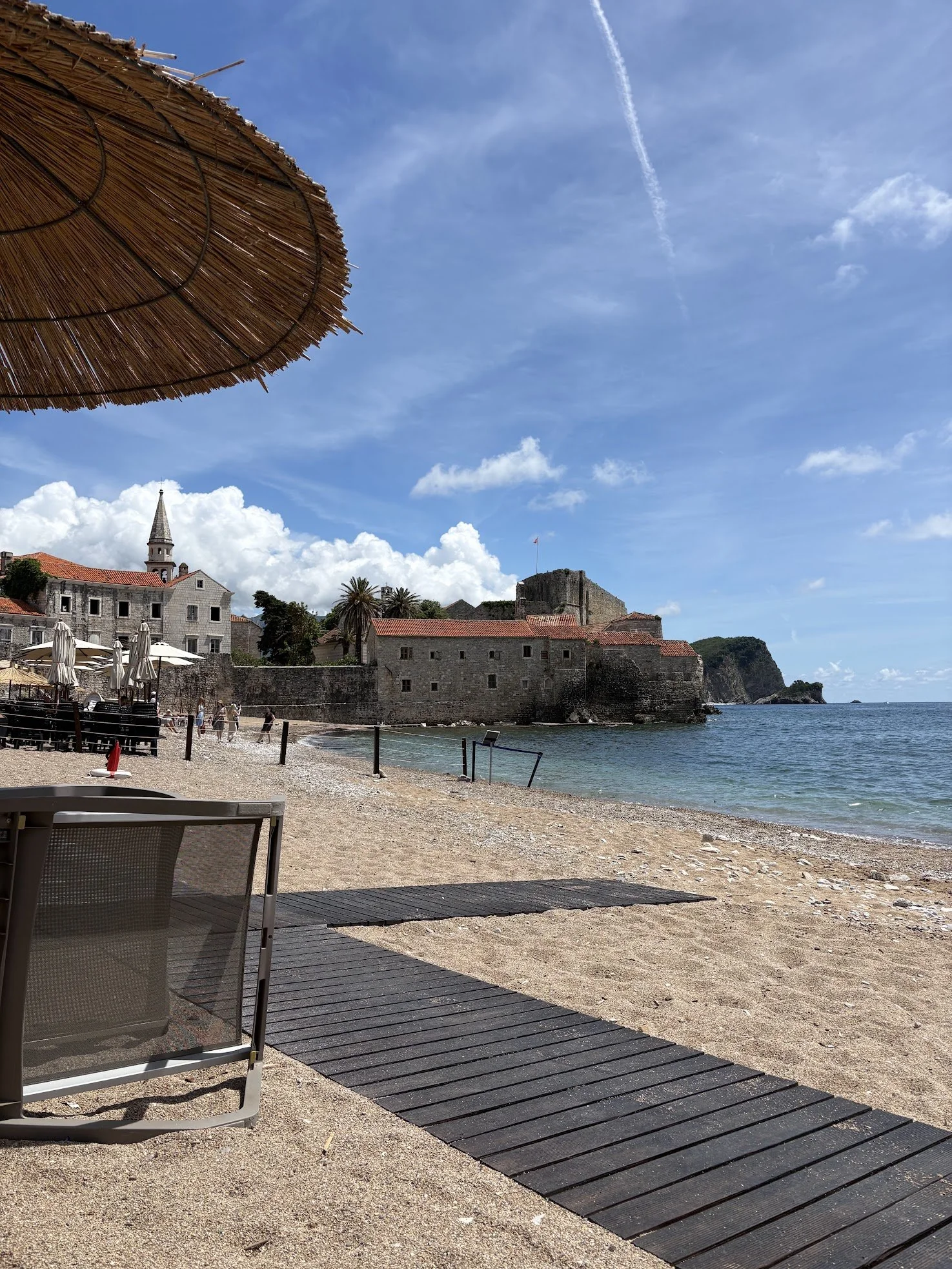
Beach in Budva
We (Katie, David and our daughters, Libby and Molly) started our journey on the Adriatic coast in Budva. The town has undergone a fair amount of modern development recently, creating an interesting contrast of large hotels and apartment buildings surrounding a charming, walled Old Town.
We stayed right on the water at the Avala Resort & Villas. The hotel is quite large—complete with a conference center, multiple pools, a beach club, and restaurants—which isn’t typically our style. However, its location right on the beach and directly next to the Old Town’s shops and restaurants simply can't be beat. With only one night, we spent most of our time enjoying the beach and pool.
If we'd had more time, we would have loved to visit nearby Lovćen National Park to climb to its famous "mausoleum in the sky." Budva also makes a great base for exploring the Skadar Lake region, though we chose to stay overnight in that area later in the trip.
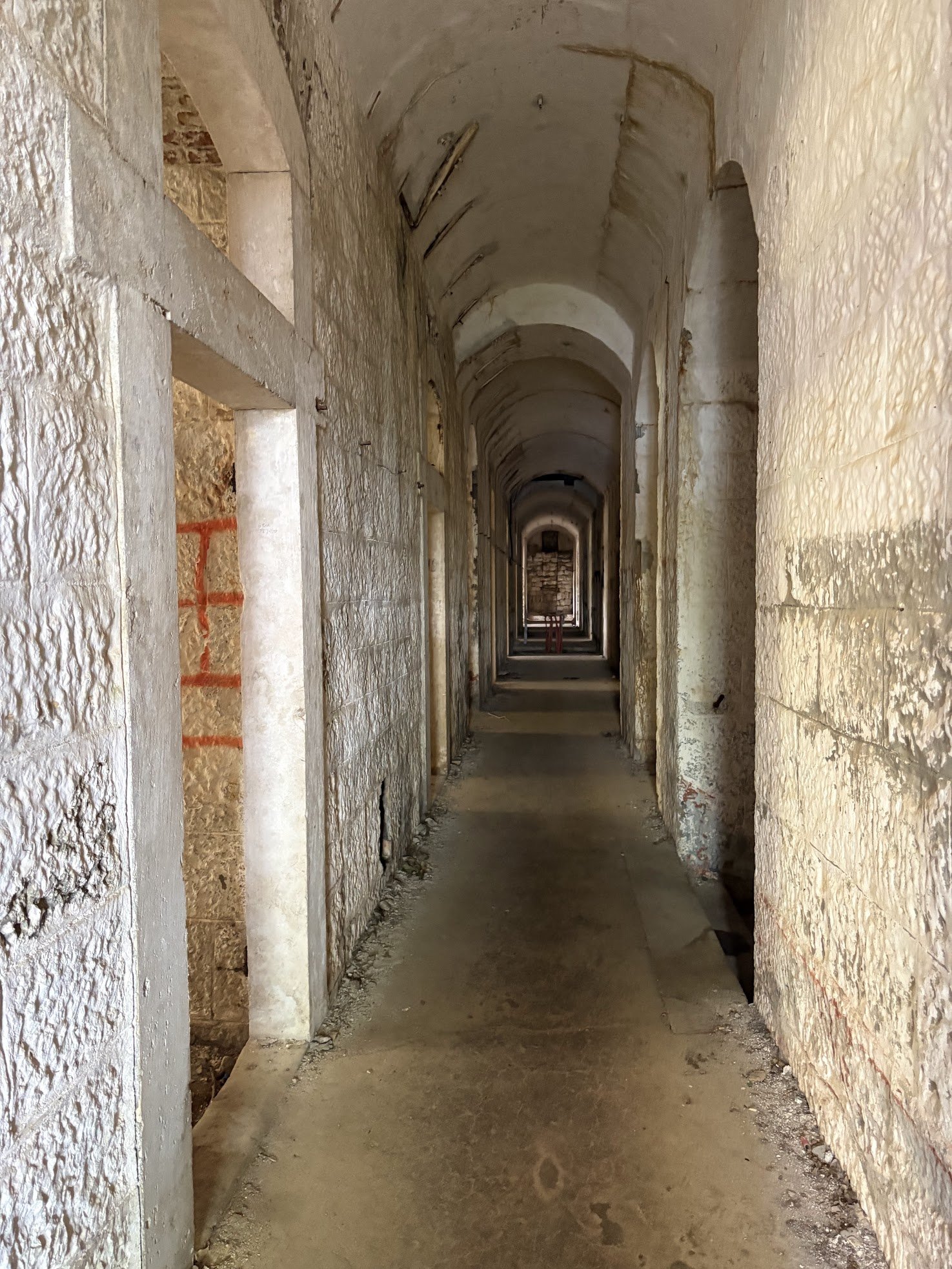
From Budva, we headed north up the coast toward Perast. En route, we took a detour to explore Fort Vrmac, an abandoned Austro-Hungarian fortress built in the late 19th century. Sitting high on the ridge of the Vrmac Peninsula, it naturally divides the Bay of Kotor from the Tivat Bay. It was a rugged, off-the-beaten-path stop that rewarded us with spectacular views of both sides of the bay.
Falling for Perast and the Bay of Kotor
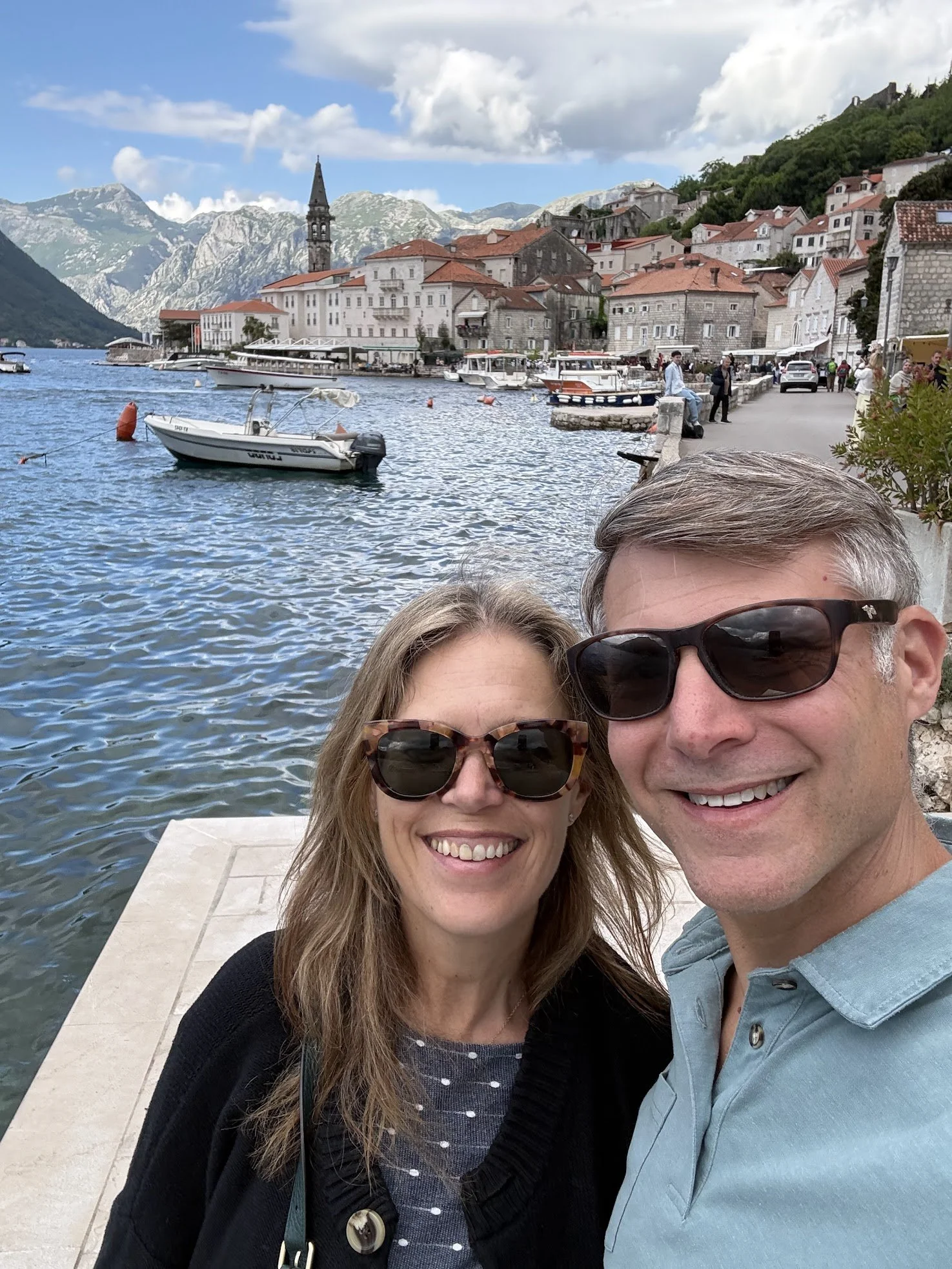
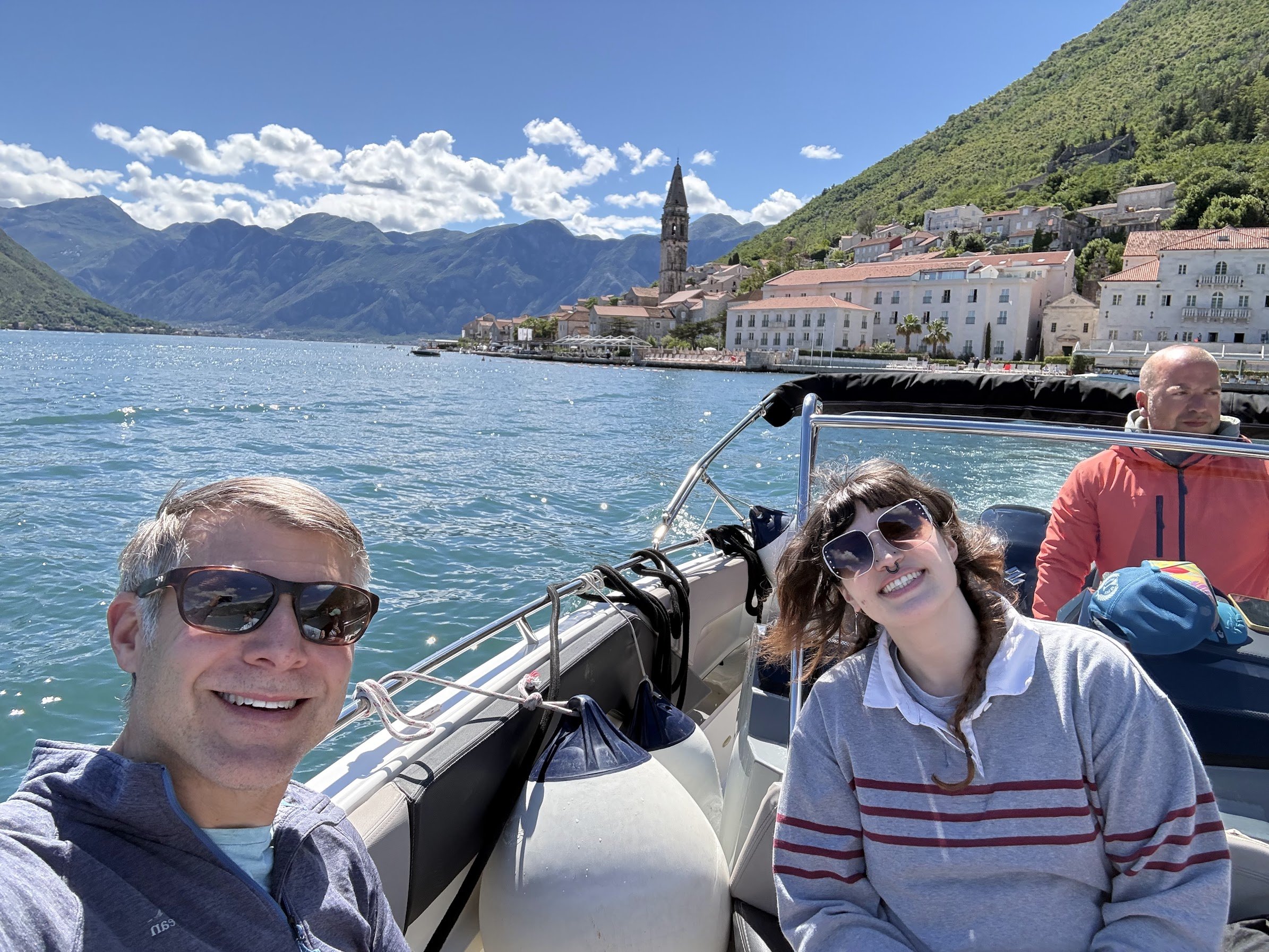
Perast
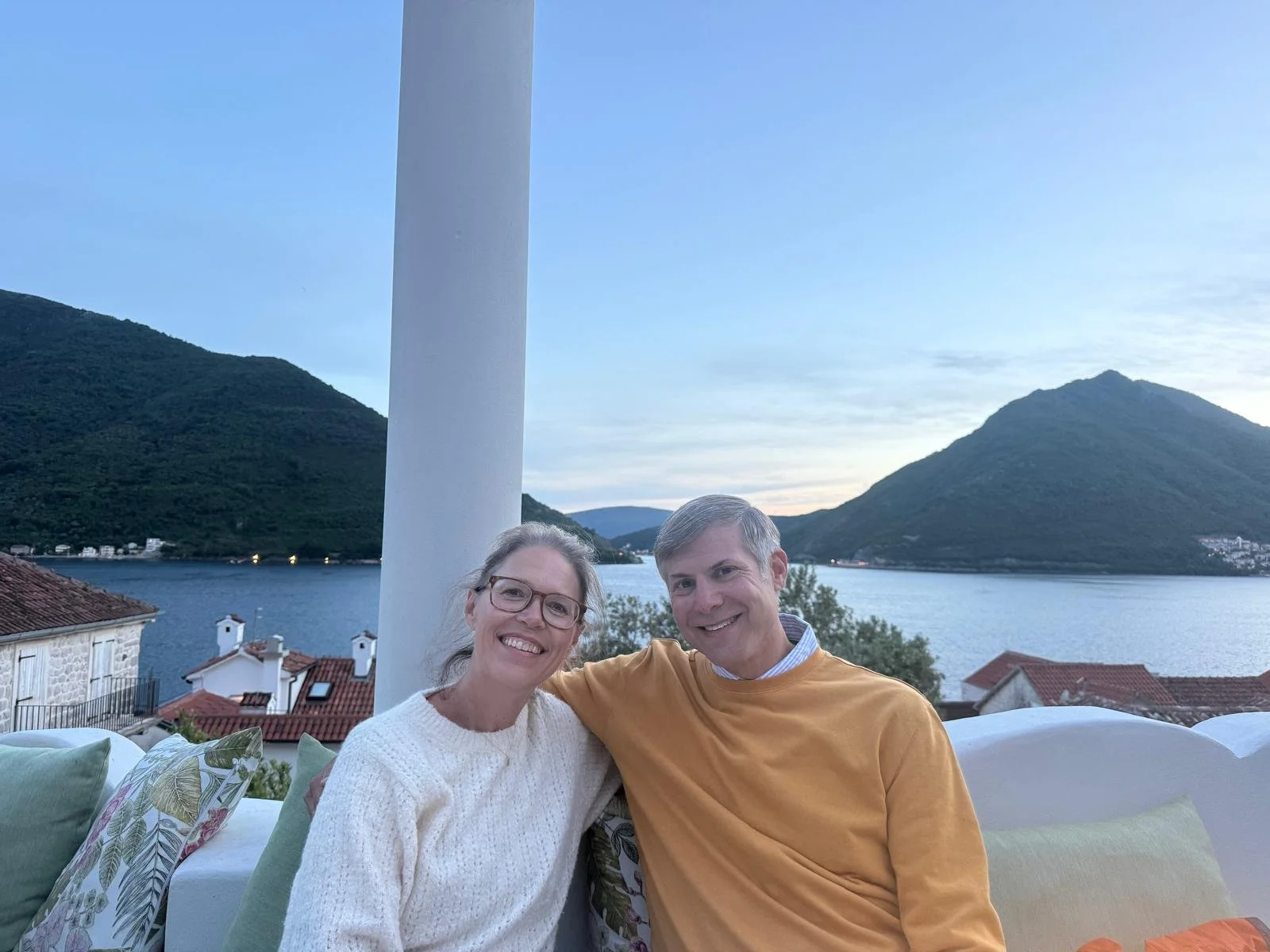
Arriving in Perast, our home for the next four nights, we found it looked exactly like the Instagram shots. It is a wonderfully quaint, historic town centered around a car-free waterfront boardwalk, where stone restaurants sit right at the edge of the sea. The bay itself looks like a Nordic fjord, and the scenery is just stunning.
We stayed at the Conte Hotel and booked a two-bedroom apartment. It was perfect for a family trip; it gave us a shared space to hang out with our daughters, play cards, and watch the Eurovision finals in the evenings. We also enjoyed plenty of outdoor space and a pool. Perast is delightfully compact—you can walk from one end to the other in ten minutes flat.
Over the next three days, we used Perast as a launchpad for the rest of the bay:
Herceg Novi: We spent a day visiting this coastal town, stopping at the lovely Savina Winery for a tasting with amazing views over the water. It is really fun to be able to do wine tastings with our adult daughters (we were not jealous of the couple with the crying toddler sitting next to us)! Right next door is the Savina Monastery, a highly atmospheric spot complete with an old chapel, a cemetery, and equally beautiful vistas.
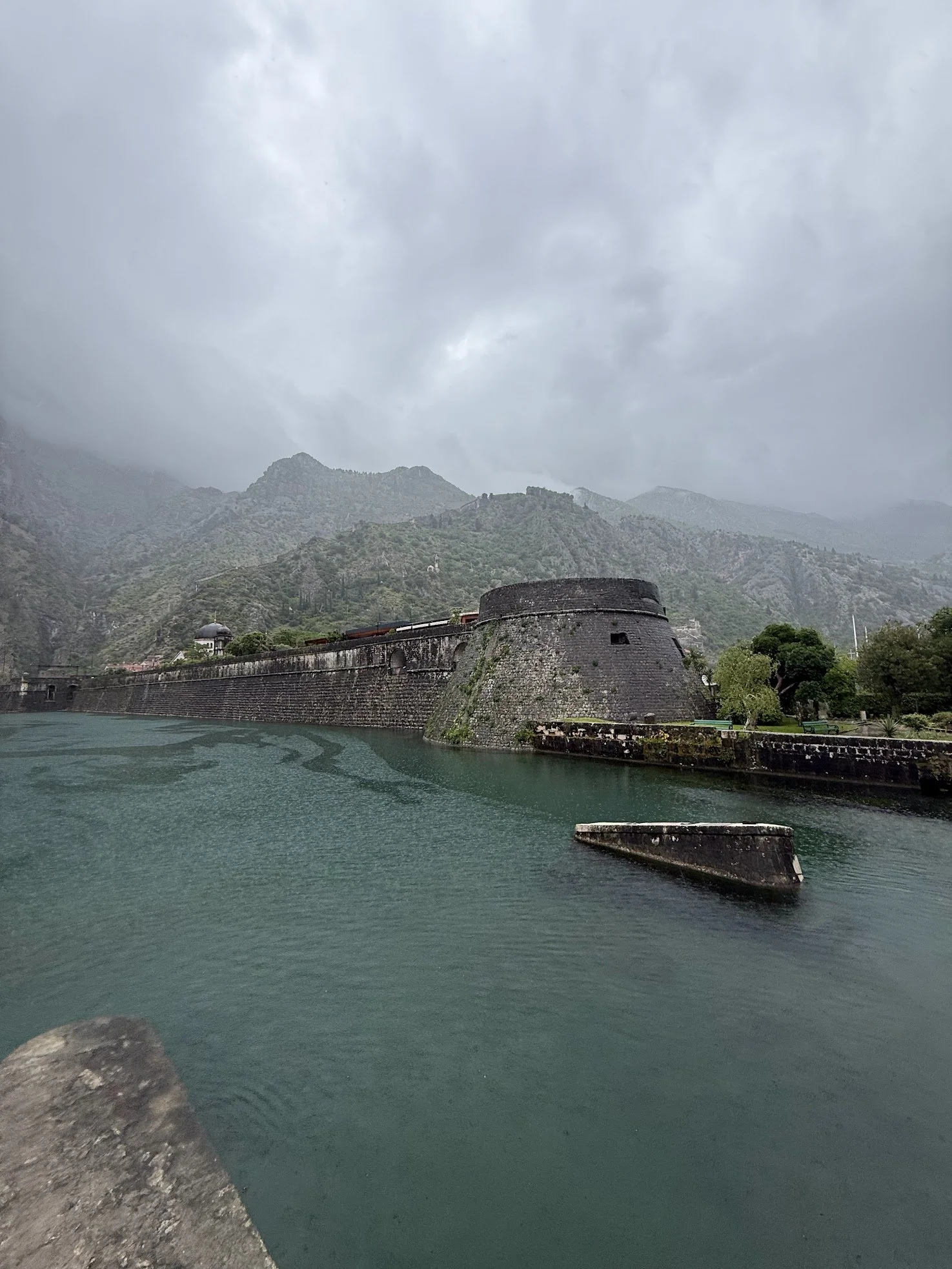
Kotor: This is the most popular city in the region and the main stop for cruise ships. While we were glad to sleep in quieter Perast, we loved exploring Kotor. Torrential rain forced us to take a dry detour into the town's quirky Cat Museum, which we followed with a private cooking class inside a local woman’s home. Hearing her personal views on Montenegrin life, culture, politics, and history while making carrot gnocchi and a cheese-and-fig pie was a highlight of the trip.
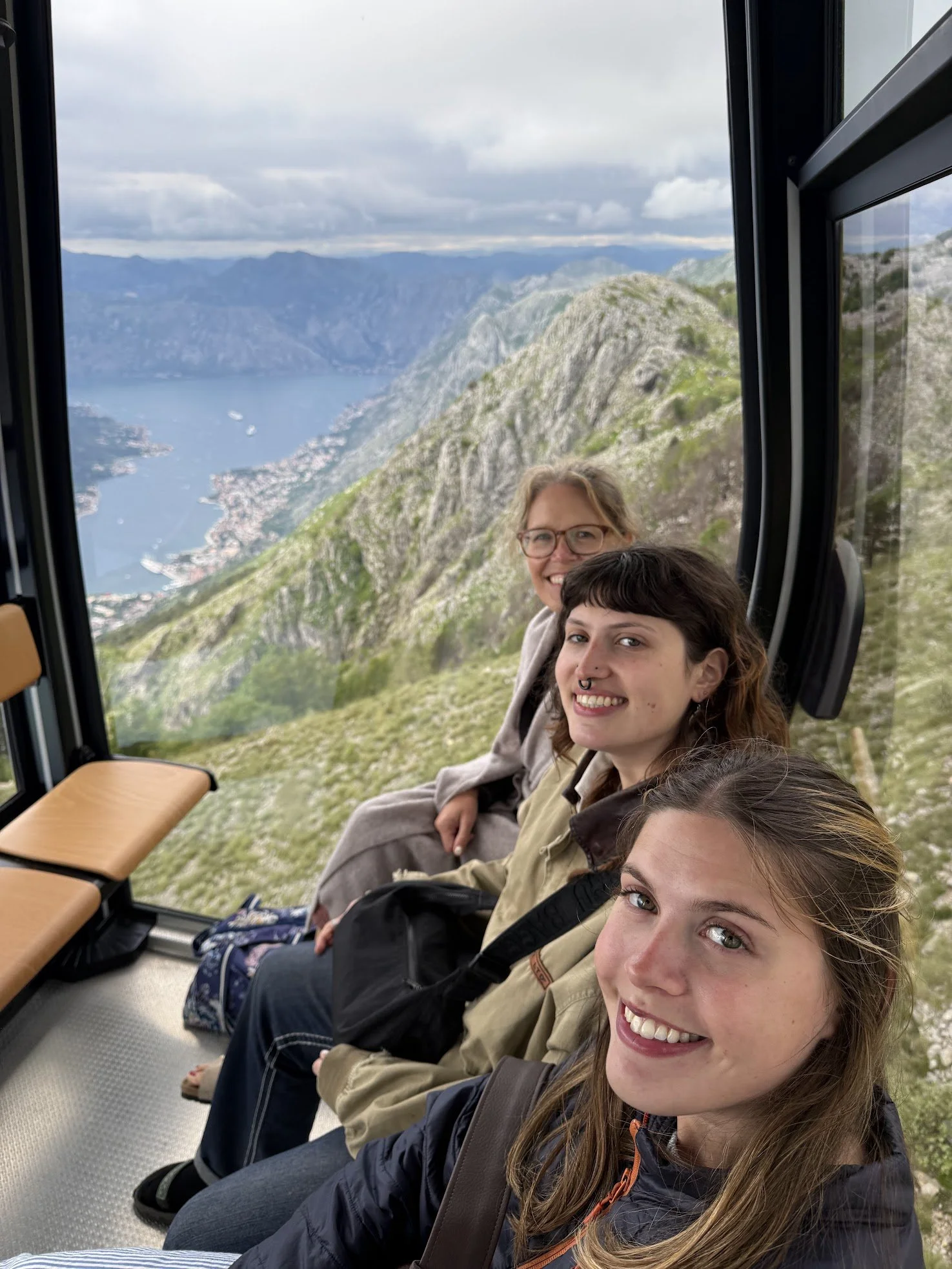
The Cable Car: We also took the extremely steep cable car to the top of the mountain behind Kotor, where the girls had a blast riding the alpine rollercoaster.
The Submarine Tunnels: No trip here is complete without a boat tour. Aside from passing the two iconic man-made church islands off the coast of Perast, our captain steered us straight into a cliffside wall to reveal a hidden, echoing concrete submarine tunnel—a relic from the Cold War that felt straight out of a James Bond film.
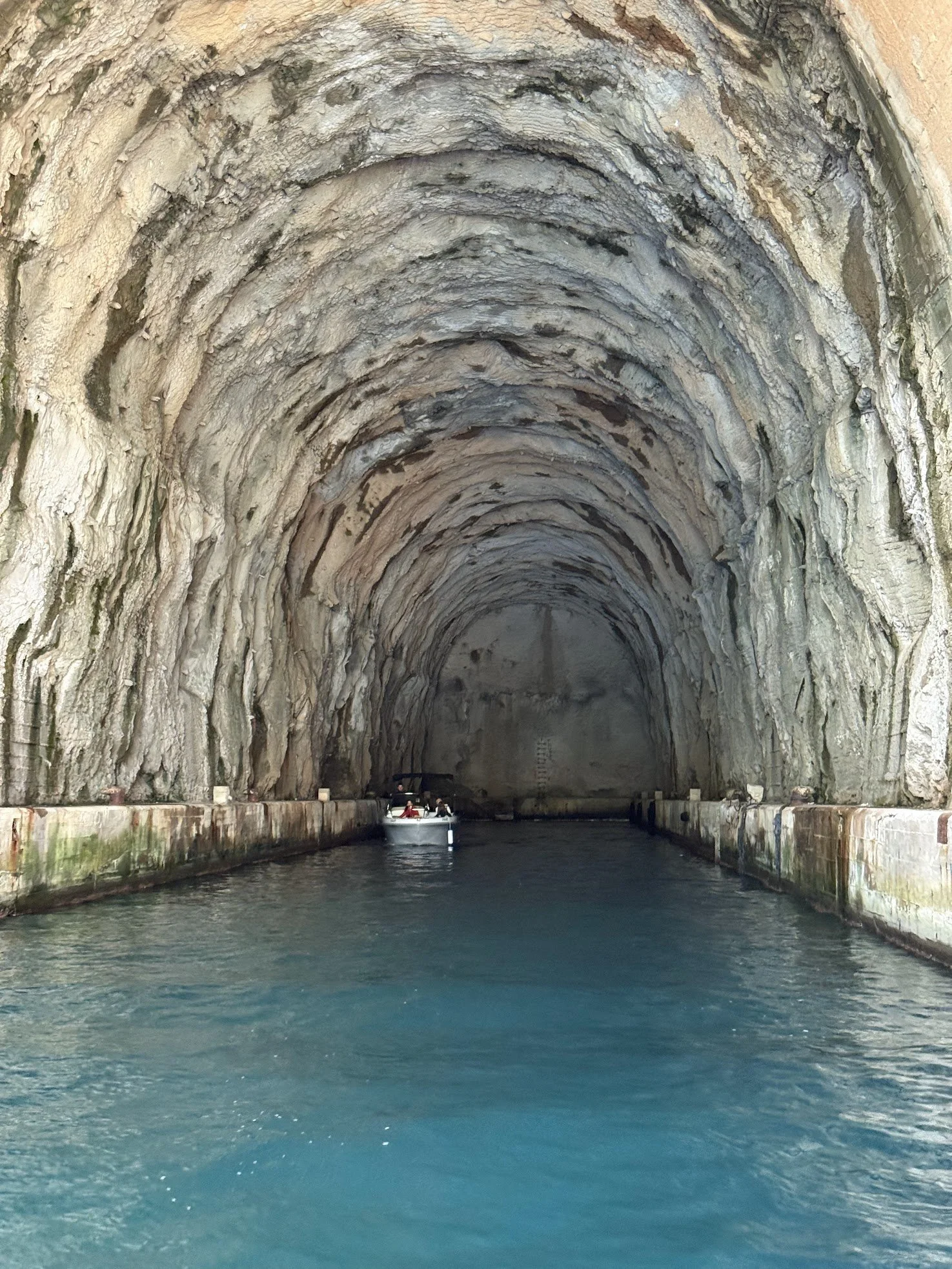
Submarine tunnels
Honestly, everywhere you drive along the coast you are just in awe of the shimmering blue of the Adriatic Sea set against the backdrop of imposing green mountains, with charming stone buildings and villages mixed in.
After a day of driving around, every evening ended perfectly with an al fresco dinner, sitting right along the sea or up on the hillside overlooking the water.
Wine Country and a Farm Stay at Lake Skadar
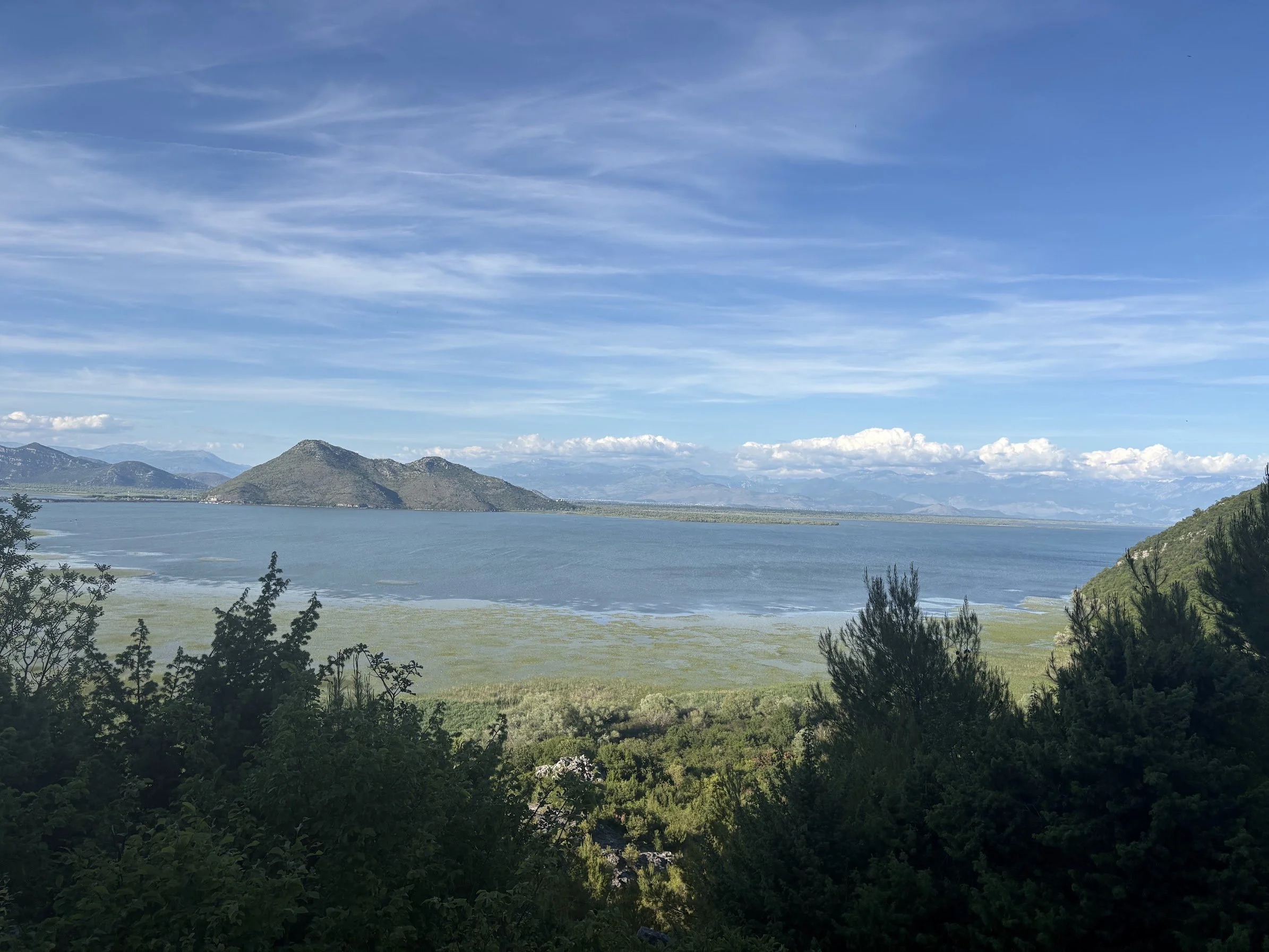
Lake Skadar
Leaving the coast, we drove inland to Lake Skadar, the largest lake in the Balkans. We booked a boat tour that showcased the lake’s vast natural beauty and stopped at a remote island monastery, all while serving us copious amounts of local wine.
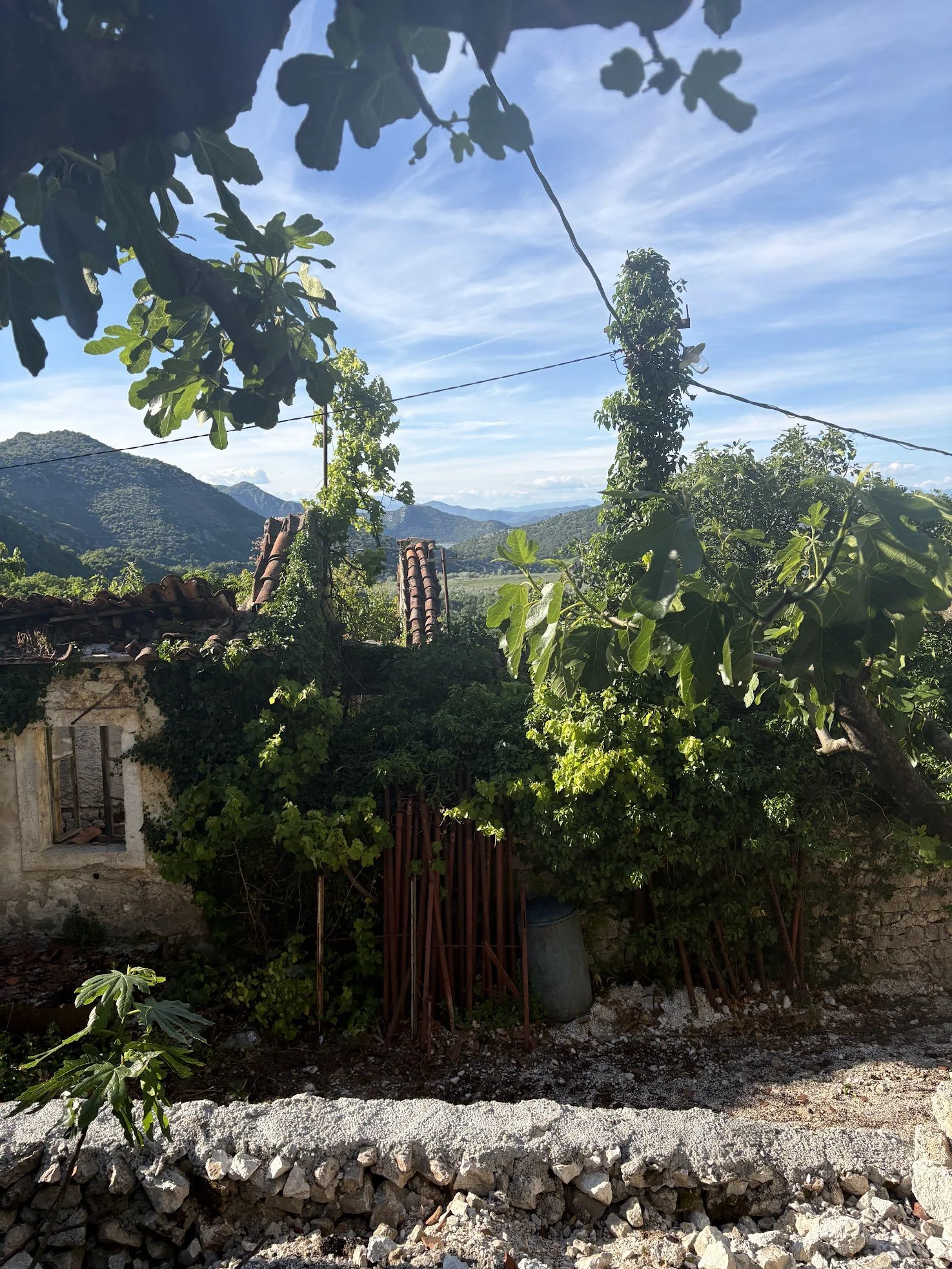
The wine theme continued at our next stop: Garnet Winery. Located in a crumbling, mostly abandoned hillside village, this vineyard has been in the same family for 13 generations. The lovely couple running it are determined to keep the village's heritage alive, and they happen to make excellent wines.
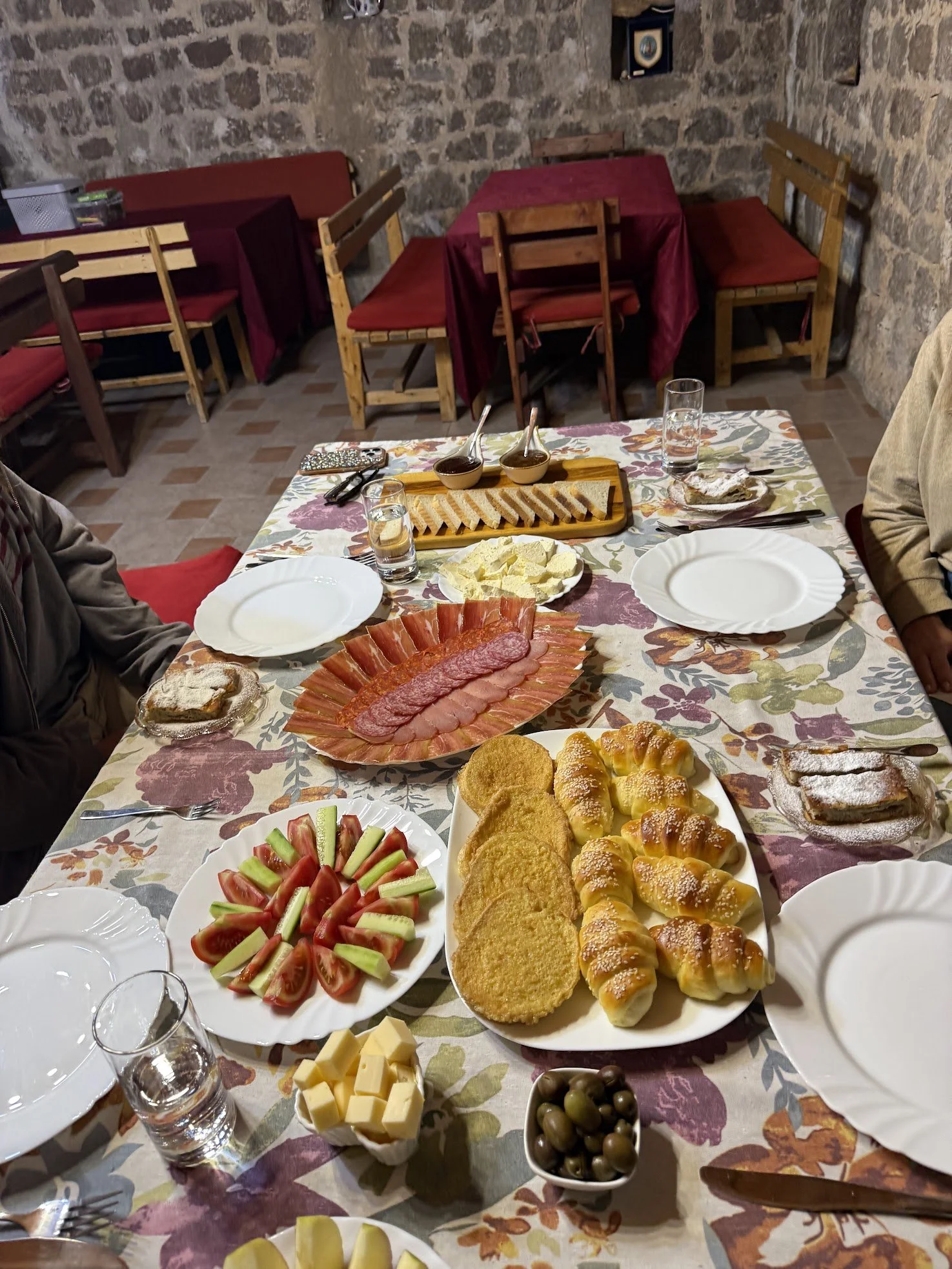
A short drive brought us to our lodging for the night, a rustic farm stay in the village of Limljani. Our charming host, Yelena, kept us incredibly well-fed. Dinner began with an abundance of local cheeses, cured meats, and homemade bread, followed by fresh salads, tender stewed beef, and plenty of their own homemade wine. While the rooms were basic, the gorgeous rural setting, warm hospitality, and delicious food made it a memorable stop.
Into the Mountains: Durmitor National Park
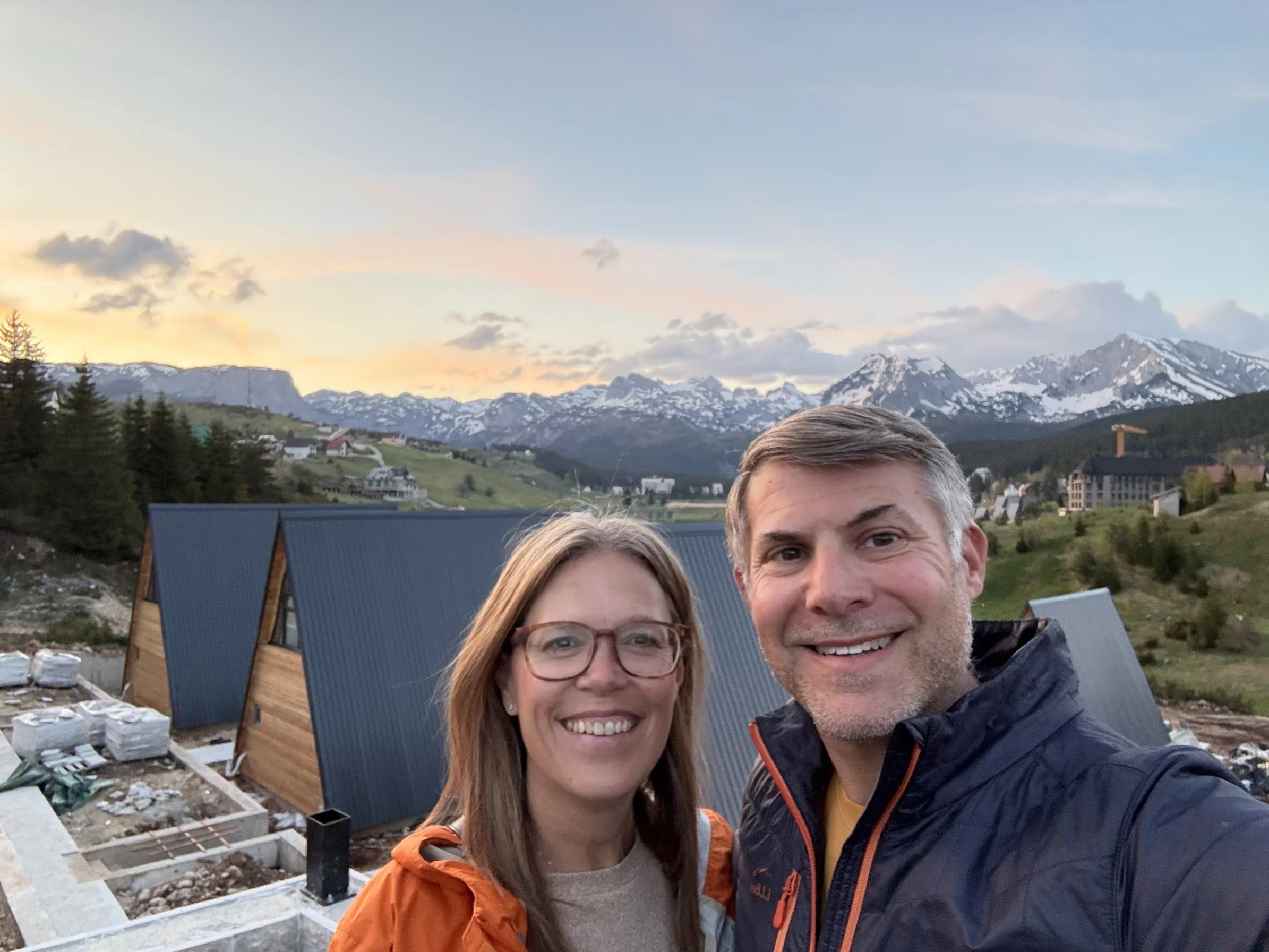
Durmitor - view from North Story hotel
Next, we headed north into the rugged, snow-covered peaks of Durmitor National Park. This UNESCO World Heritage site protects a dramatic, glacier-carved limestone massif. The park is a landscape of extremes, featuring dense pine forests, glacial lakes, and peaks soaring over 6,000 feet. It also holds the pristine Tara River Canyon—the deepest river gorge in Europe.
The transition from the Adriatic coast to the mountains is stark. En route, we stopped at Ostrog Monastery, a 17th-century miracle of architecture that is built directly into a vertical cliff face.
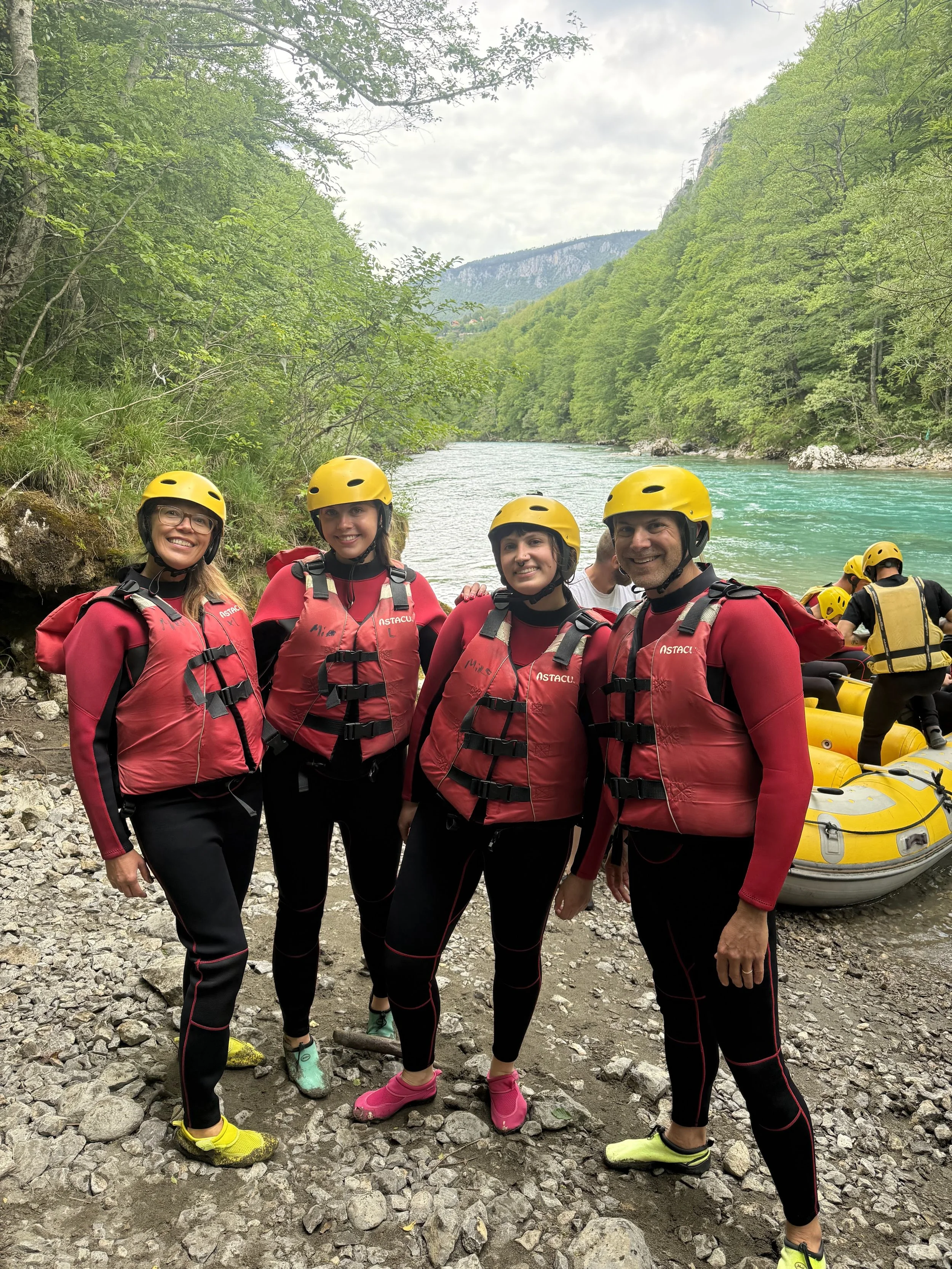
Rafting in Tara River
Once we arrived in the mountain hub of Žabljak, the cobblestone streets and Venetian stone palaces of the coast were replaced by modern A-frame houses and boxy alpine hotels. We checked into North Story, a small hotel with gorgeous mountain views plus a sauna and hot tub for post-exploration relaxation.
Speaking of exploration, we enjoyed a beautiful hike around the forested Black Lake, but the main event was the Tara River Canyon. We walked across the famous Đurđevića Tara Bridge—which was high and narrow enough to cure any desire we had to try the nearby ziplining or paragliding! Instead, we opted for whitewater rafting down the Tara River. Floating along the bottom of the canyon, looking up at the steep rock walls and passing spring waterfalls, was incredibly exciting. Katie and our daughter, Libby, were brave enough to jump into the cold waters - with wetsuits on, of course! - and swim alongside the raft.
Our favorite culinary discovery here was the traditional roadside restaurants. Typically built of logs in a circular shape, they serve hearty mountain food like veal soup, chicken soup, and roasted meats, all washed down with the local beer, Nikšićko. We actually ate at Restaurant River Bridge two nights in a row because we were so captivated by their "cheese boat"—a local bread baked with a pool of hot, melty cheese.
A Final Stop in Kolašin
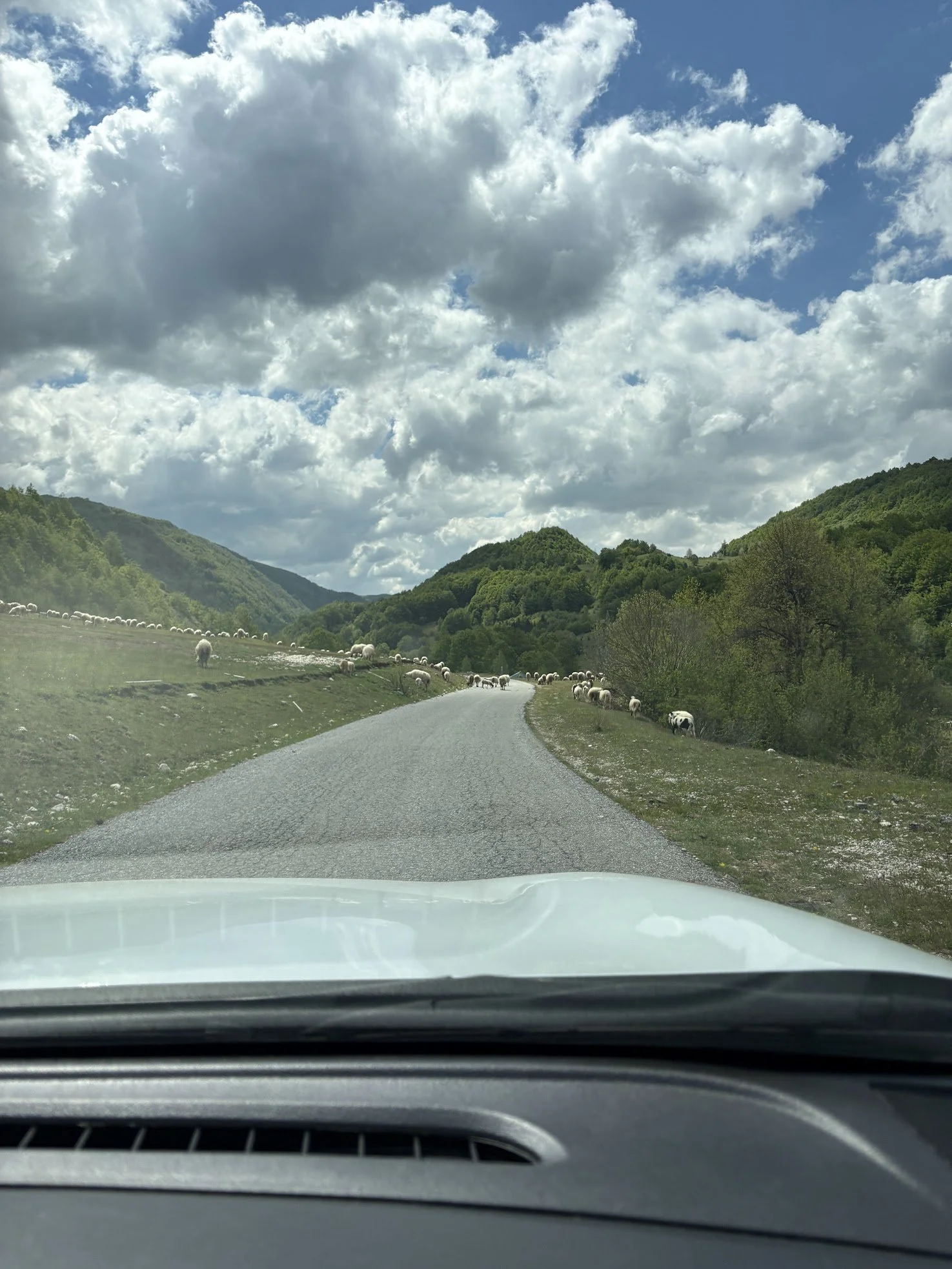
Sheep on the road to Biogradska NP
From Durmitor, we braved a gorgeous (and slightly scary) mountain drive to our final stop, Kolašin, the gateway to Biogradska Gora National Park. We did a short, easy hike around its glacial lake, walking beneath the canopy of one of Europe's last remaining primeval rainforests.
We treated ourselves to some post-hike relaxation at the lovely Wulfenia Hotel & Spa. We spent the afternoon doing the steam, sauna, and cold-bucket circuits before finishing with a swim in their indoor pool.
Reflections and Lessons Learned
Our trip was an incredible adventure, but moving between two vastly different regions taught us a lot about how we would budget our time if we did it again:
The Coast vs. The Interior: If we were to redo the trip, we would spend more time on the coast and likely skip staying in the interior mountain regions of Durmitor and Kolašin. While the mountains are undeniably beautiful and excellent for outdoor adventure, the towns themselves lack the architectural charm of the coast, and the routes require a decent amount of driving. However, if you do want a taste of the mountains, we highly recommend Biogradska Gora and the Wulfenia Hotel—it was easily the nicest property we stayed at in Montenegro.
Food, Wine, and Culture
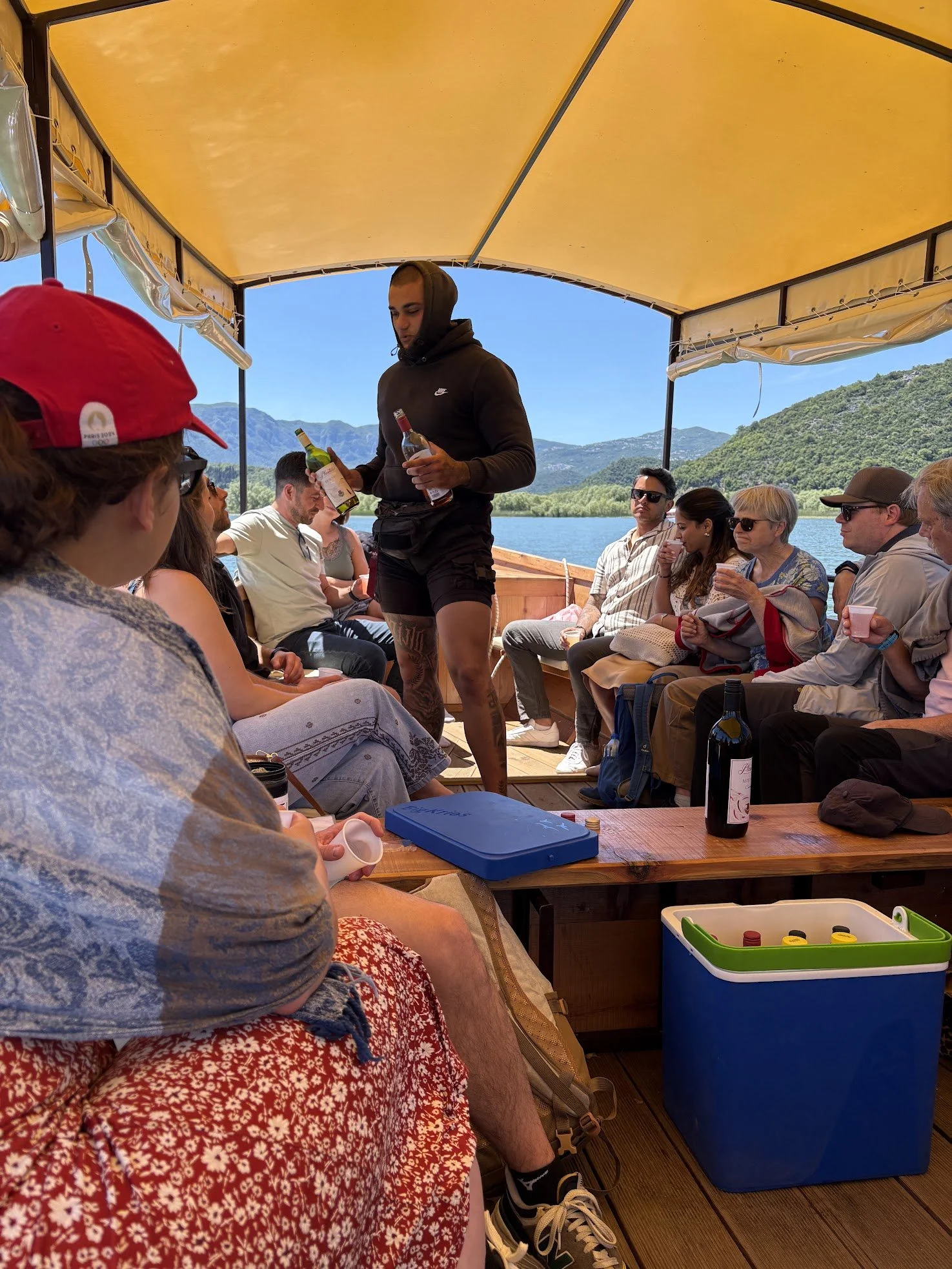
Skadar Lake boat trip
The culinary transition between regions was fascinating. The coast is entirely focused on fresh seafood—we feasted on raw oysters, mussels, sea bream, grouper, swordfish carpaccio, and rich seafood stews. The mountains shift to hearty, comforting dishes heavy on cheese, meat stews, and thick soups.
Montenegro's wine culture was a wonderful surprise. While their most popular grape is Vranac (a full-bodied, robust red), we thoroughly enjoyed their whites, rosés, and even a unique local orange wine.
The people are incredibly welcoming. English is taught in schools, so almost everyone we met spoke it, which is good since we struggled with even the simplest Montenegrin phrases!
Final Verdict: Should You Go?
We absolutely recommend visiting Montenegro's Adriatic coast. The scenery is unlike anything we have ever seen. Because it truly is a hidden gem, our advice is to explore it before the rest of the world catches on.
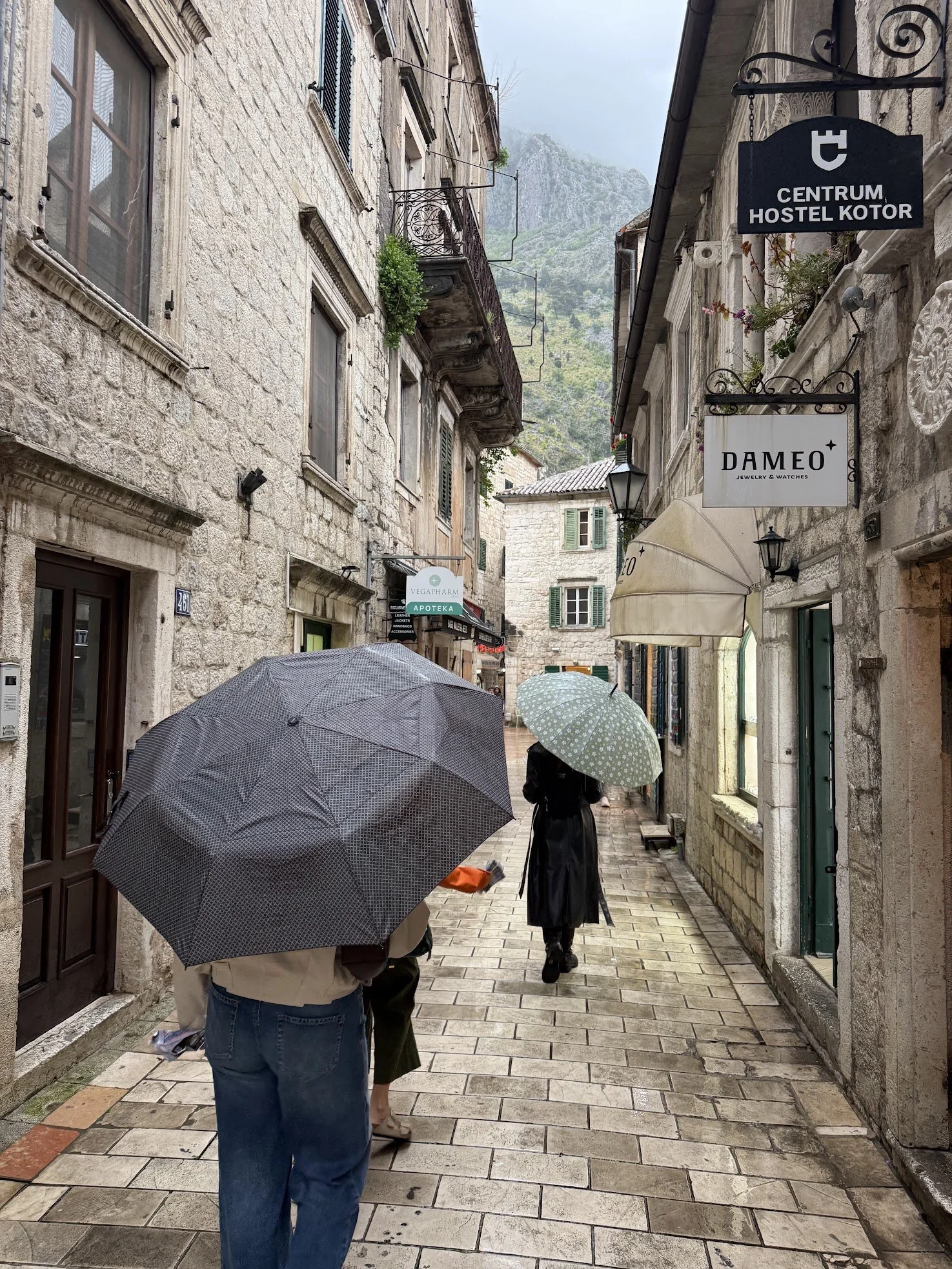
Kotor old town
When to go: The absolute best time to visit is September and early October. The weather and the sea are still warm, but the peak July and August crowds have cleared out. We traveled in May and caught an unusual cold snap; while the weather can be beautiful in May, the sea is still quite chilly for swimming.
Travel Tip: Consider combining Montenegro with a trip to Croatia. For travelers coming from the US, it is often much easier and cheaper to fly into Dubrovnik, Croatia, rent a car, and drive across the border into Montenegro. It is a fantastic road-trip destination that feels like a true exploration.
If Montenegro has piqued your interest, reach out to us at Jetsettery—we’d love to help you plan your adventure! It’s as easy as clicking this link >>Let’s Start Planning!