
The Light of Greece
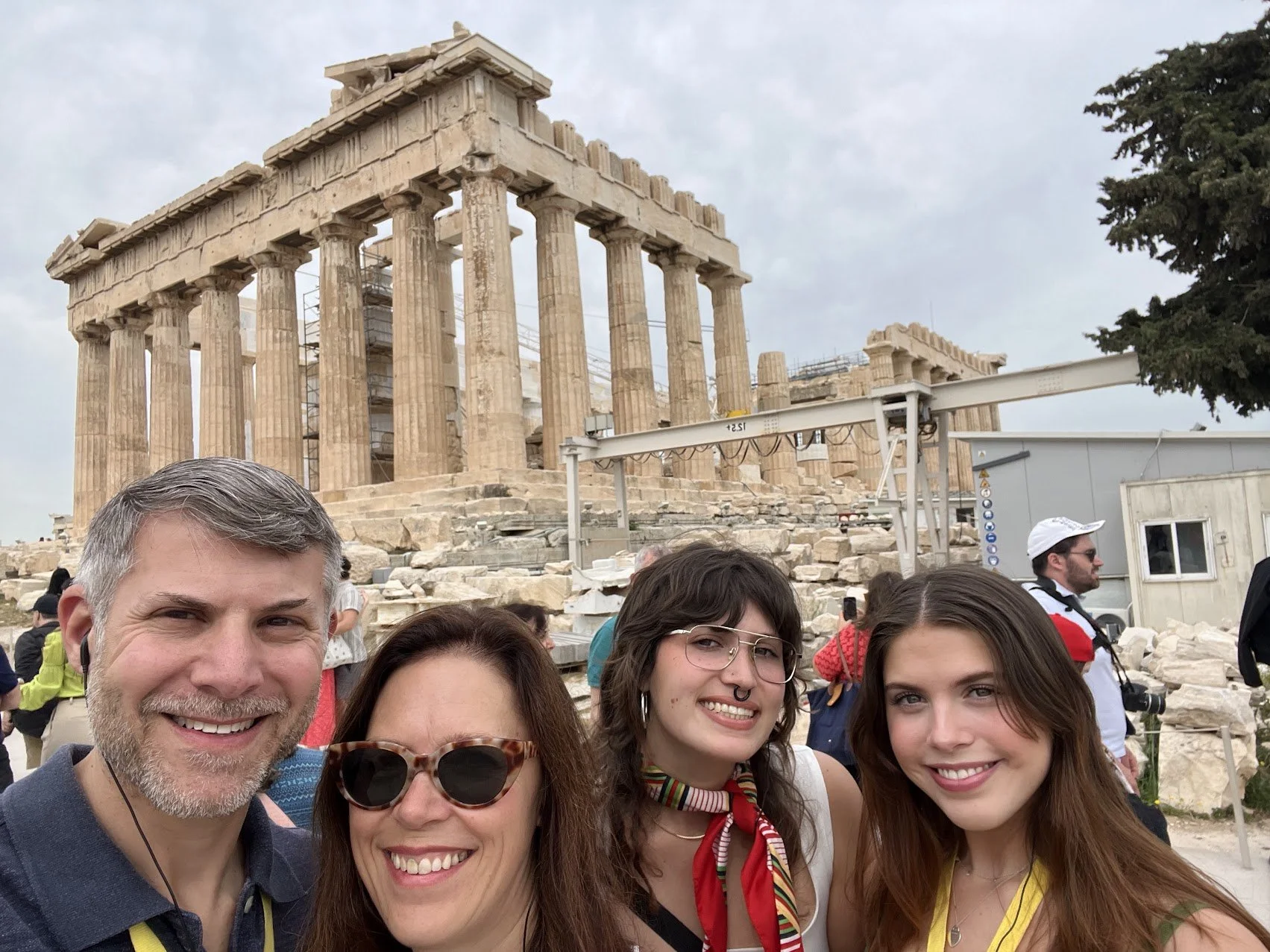
The Parthenon
"The light of Greece opened my eyes, penetrated my pores, expanded my whole being." Henry Miller, The Colossus of Maroussi
We took our daughters, Libby and Molly, to Greece in May 2024, and we have been pulling pieces of that trip into other people's itineraries ever since. Not because Greece needs the endorsement. Because the shape of the trip, five stops across two weeks, mainland first and islands after, solved a conundrum a lot of us face: how do you cover ruins, mountains, and beaches at an enjoyable pace?
Here is how we did it, stop by stop, and what we learned along the way.
Athens: The Acropolis & Ancient History
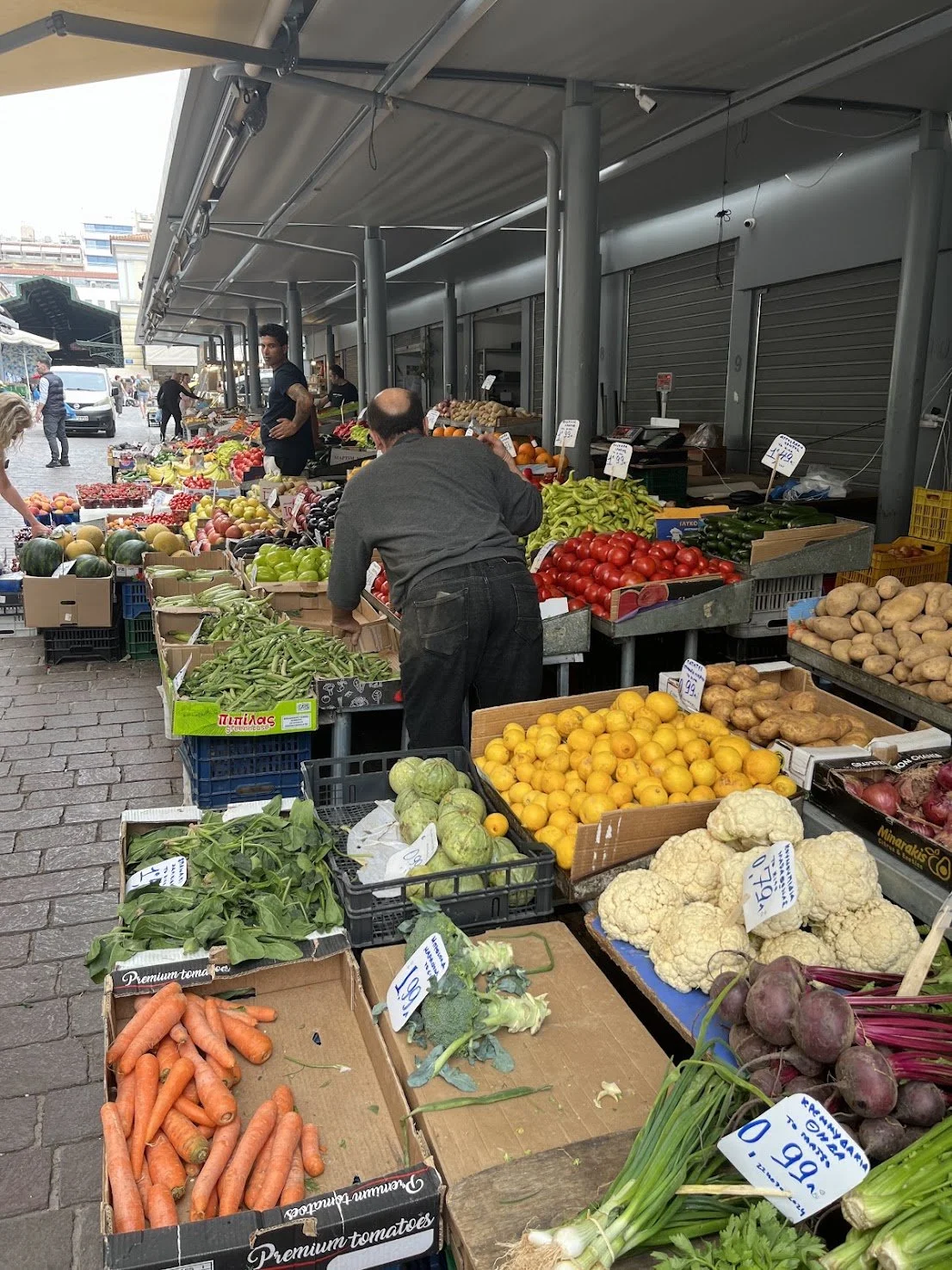
Food tour stop at a market in Athens
We flew into Athens and went straight to our lodging, Athinaidos Quarters by K&K, a renovated 18th-century building with a two-bedroom suite. The best part, after a long day of travel, was soaking in the rooftop hot tub overlooking the Acropolis.
With just about a day and a half in Athens, we had to be strategic. The hot tub view got us excited for our first stop, the Acropolis. We had booked a small group tour rather than trying to self-navigate the crowds and the history at the same time. We began with a climb up through the South Slopes, past the Theater of Dionysus and the Odeon of Herodes Atticus, a Roman-era concert hall Athenians still fill for performances today. Then the Parthenon comes into view. Everyone’s read about these places in history textbooks but standing in front of them was different. We continued downhill to the Acropolis Museum, where glass floors over the excavated ruins put ancient Athens directly beneath your own feet and gave a lot more good context.
Being hungry and eager to eat Greek food, next up was an afternoon food tour. As you've probably read in our other posts, we always recommend starting your trip with a food tour. It's an excellent way to not only sample a variety of dishes, but also pick up history and local restaurant recommendations. This particular tour was an excellent introduction to Greek food: the freshest Greek salad we've ever had, taramasalata (fish roe dip), an olive bar at the market, pork gyros (much more common than lamb), and more dishes than we can’t even recall, finishing on a sweet note with loukoumades, fried dough drizzled with honey.
On our second day we skipped a formal tour and walked to Syntagma Square for the changing of the guard, saw the Olympic Stadium, and shopped the Monastiraki flea market. By then the heat of the city was catching up with us and we were ready for the countryside. Time to pick up our rental car.
Delphi: The Center of the Zeus’ World
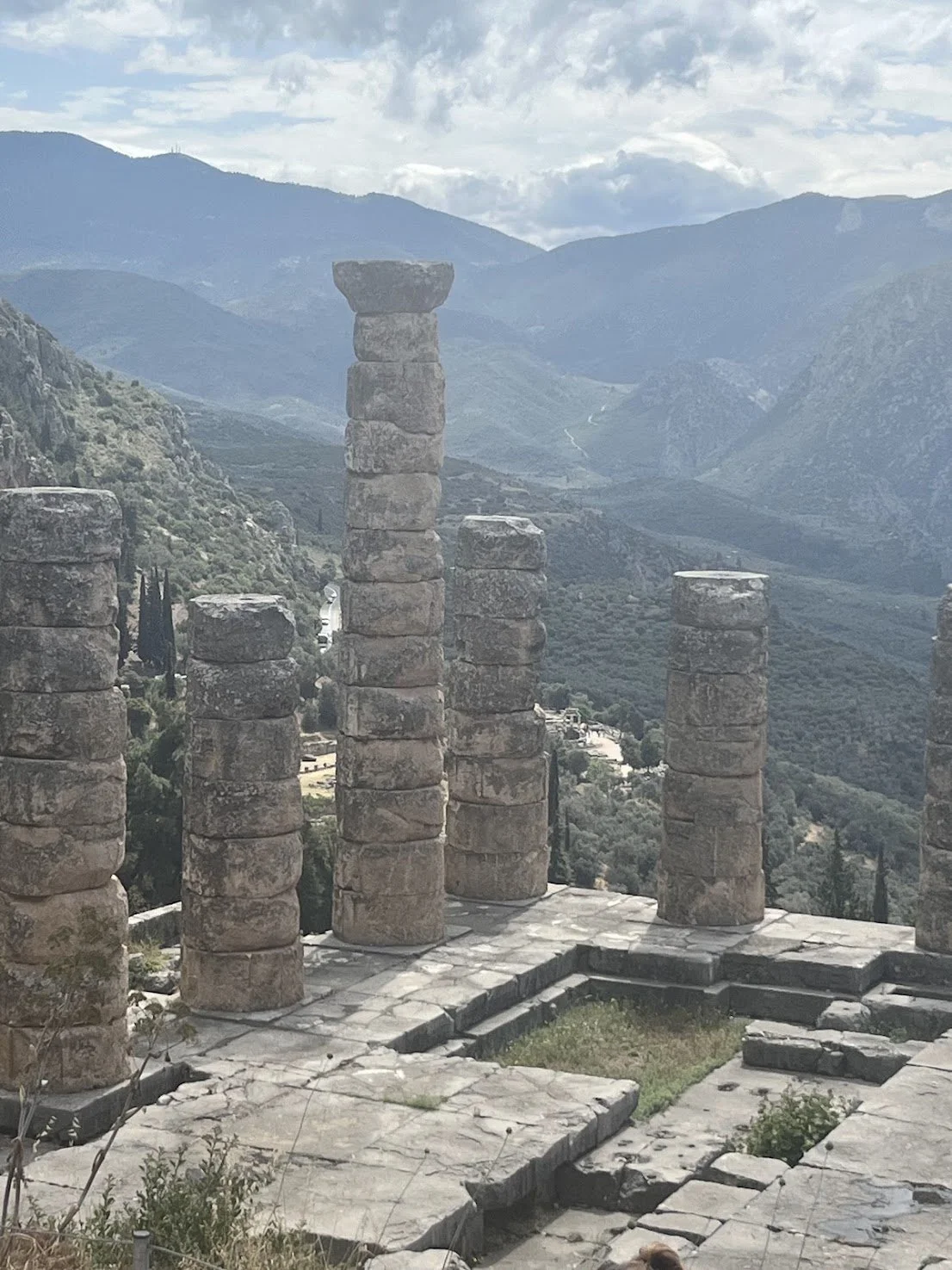
Delphi ruins
We drove two and a half hours to Delphi, timing it so we'd arrive with just enough daylight left for dinner before dark. We ate at To Patriko Mas, a fifth-generation family restaurant, with sunset views over the valley and the coast. Our hotel for the night, the Pitho Hotel, was nothing fancy, but perfect for a quick one-night stay: right in the city center, run by a husband and wife, with a cozy, family feel to it.
Delphi was considered the center of the world in ancient Greece, literally. Myth has it that Zeus released two eagles from opposite ends of the earth, and where they met, at Delphi, he marked the spot with a stone called the omphalos, the navel of the world. That kind of significance, plus its spot on nearly every mainland itinerary, means it draws lots of tour buses and the museum always seems to be the most crowded. By staying overnight in Delphi and being at the museum right when it opened, we beat the crowds. We then spent until early afternoon exploring the site itself: the Sacred Way past the treasuries city-states built to show off, the Temple of Apollo where the Oracle actually sat, the theatre cut into the hillside above it, the stadium higher still, and the Tholos down at the Sanctuary of Athena Pronaia, the circular structure that ends up on most postcards of the place. By early afternoon we were back in the car, headed for Meteora.
Meteora: Monasteries in the Clouds
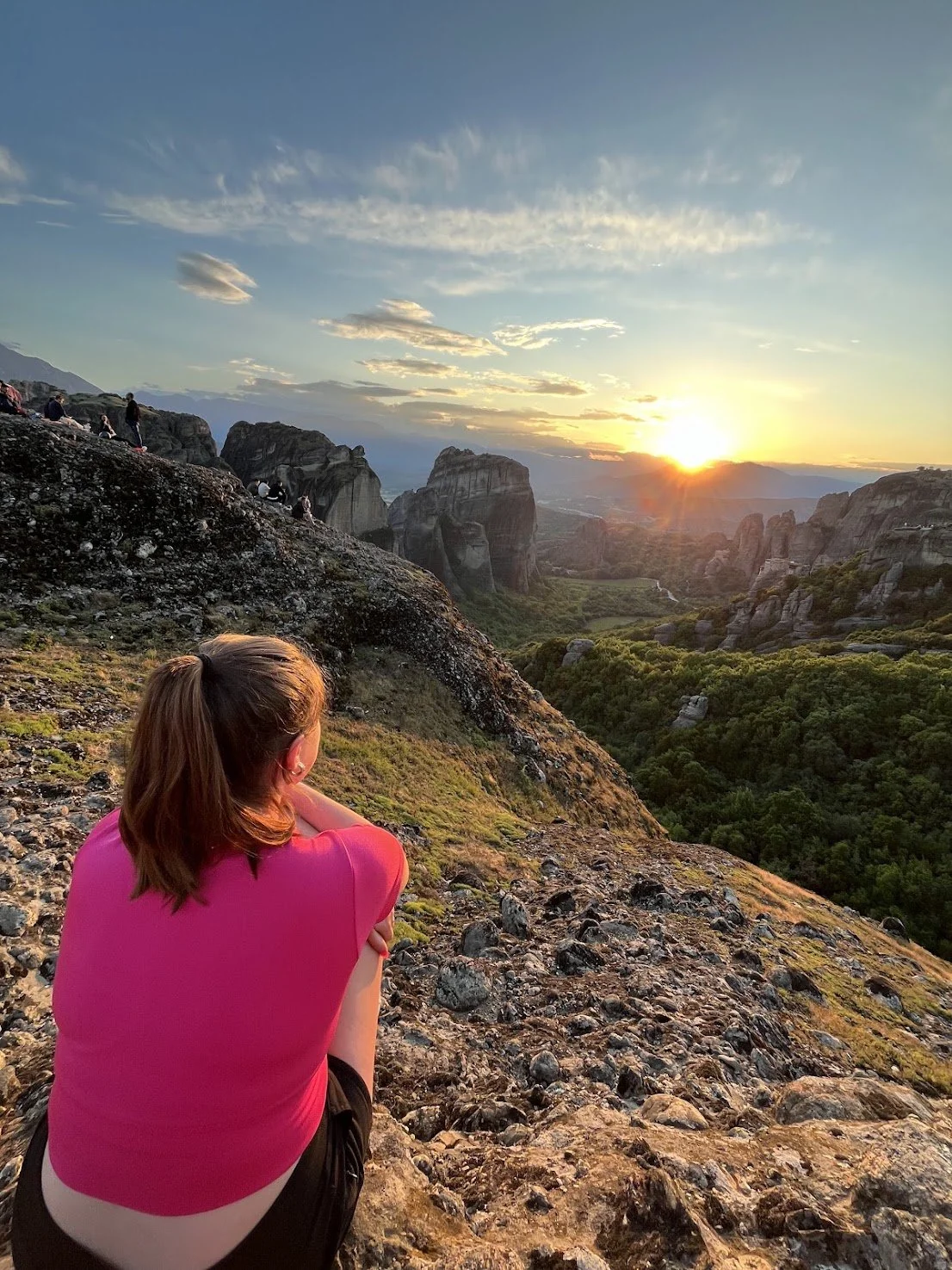
Sunset hike in Meteora
Another three and a half hours north to Meteora, one of our most-anticipated stops which we push hard on anyone planning mainland Greece. We'd been lured by pictures of monasteries perched on top of rock pillars. Standing at the base looking up, you genuinely wonder how anyone got up there in the first place, let alone built a monastery.
We drove to the monasteries the next morning (there's a dress code: long pants for men, covered shoulders and knees for women). The pattern repeats at most of them: a parking lot below, then a run of stairs up to the entrance, shorter at some than others. We started at the Holy Monastery of Saint Nicholas Anapafsas, a smaller, still-active monastery built straight up its rock pillar rather than across it, with frescoes inside from the 1500s and just enough space at the top for the girls' impromptu photo shoot. From there we drove to the Holy Monastery of Rousanou, known as Saint Barbara, about 140 steps up and over a short bridge onto the rock itself, another working community, this one home to an unexpected flower garden tucked into the cliffside. Meteora once had two dozen monasteries though only six remain today.. We enjoyed a proper, unhurried lunch after the monasteries rather than pushing straight to another site, and it was the right call after all those stairs.
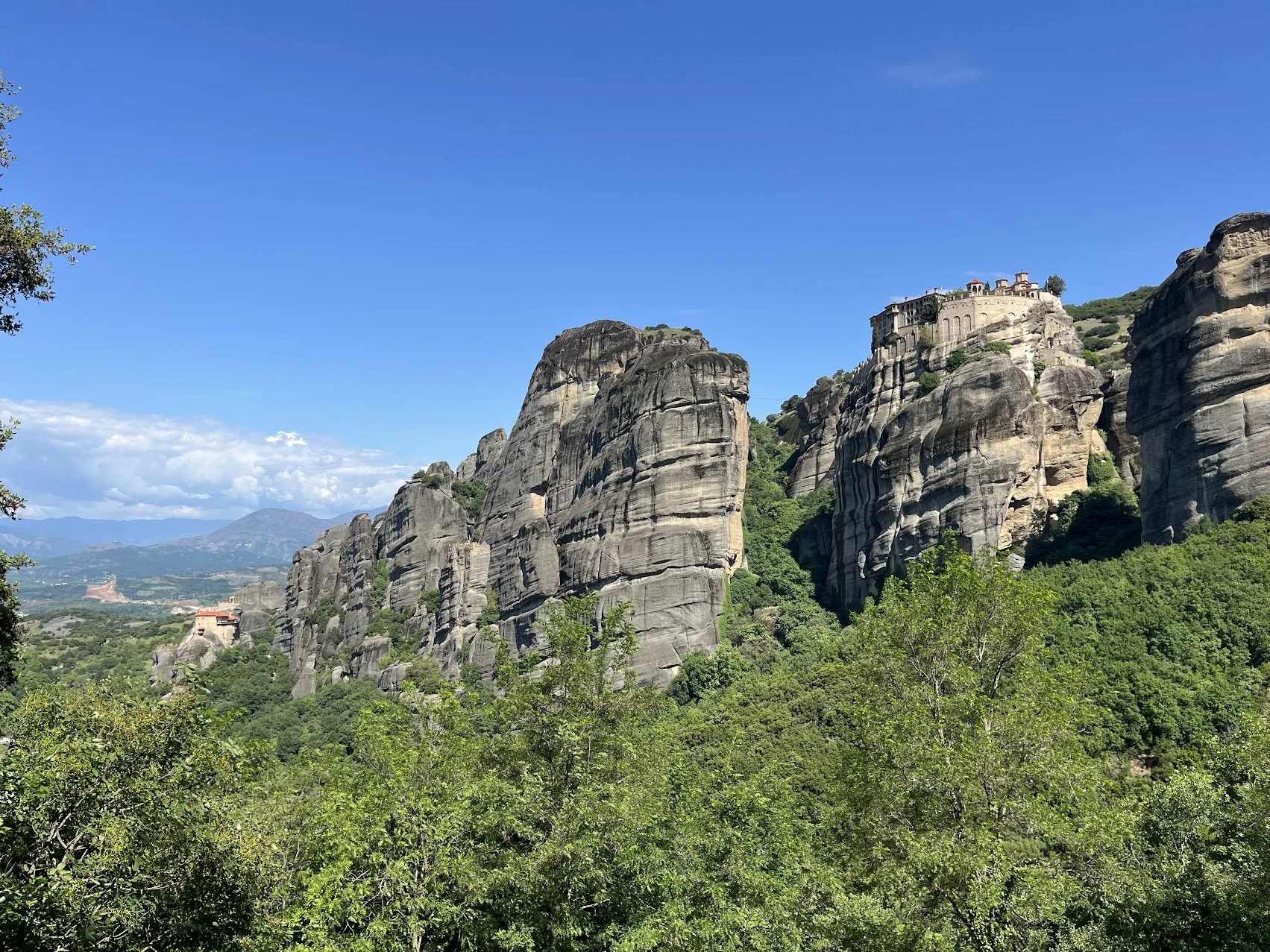
Monasteries atop the rocks in Meteora
The best few hours of Meteora happened later that day. We booked a small sunset hike, and the guide's opening move was pointing up at a rock face and telling us that was where we were headed. Every one of us thought there was no way. The route wound past hermit caves, the Holy Spirit chapel, a former prison cave, and St. George's cave, chapels and hollows carved directly into the rock with no one else around, before ending at a spot to watch the sunset. We came back to our lodging, Meteora Boutique Villas, afterward and got straight into the hot tub, rock formations rising directly behind it, which is about the best way we know to close out a day that started with stairs and ended with a hike.
Milos: Moonscape Beaches
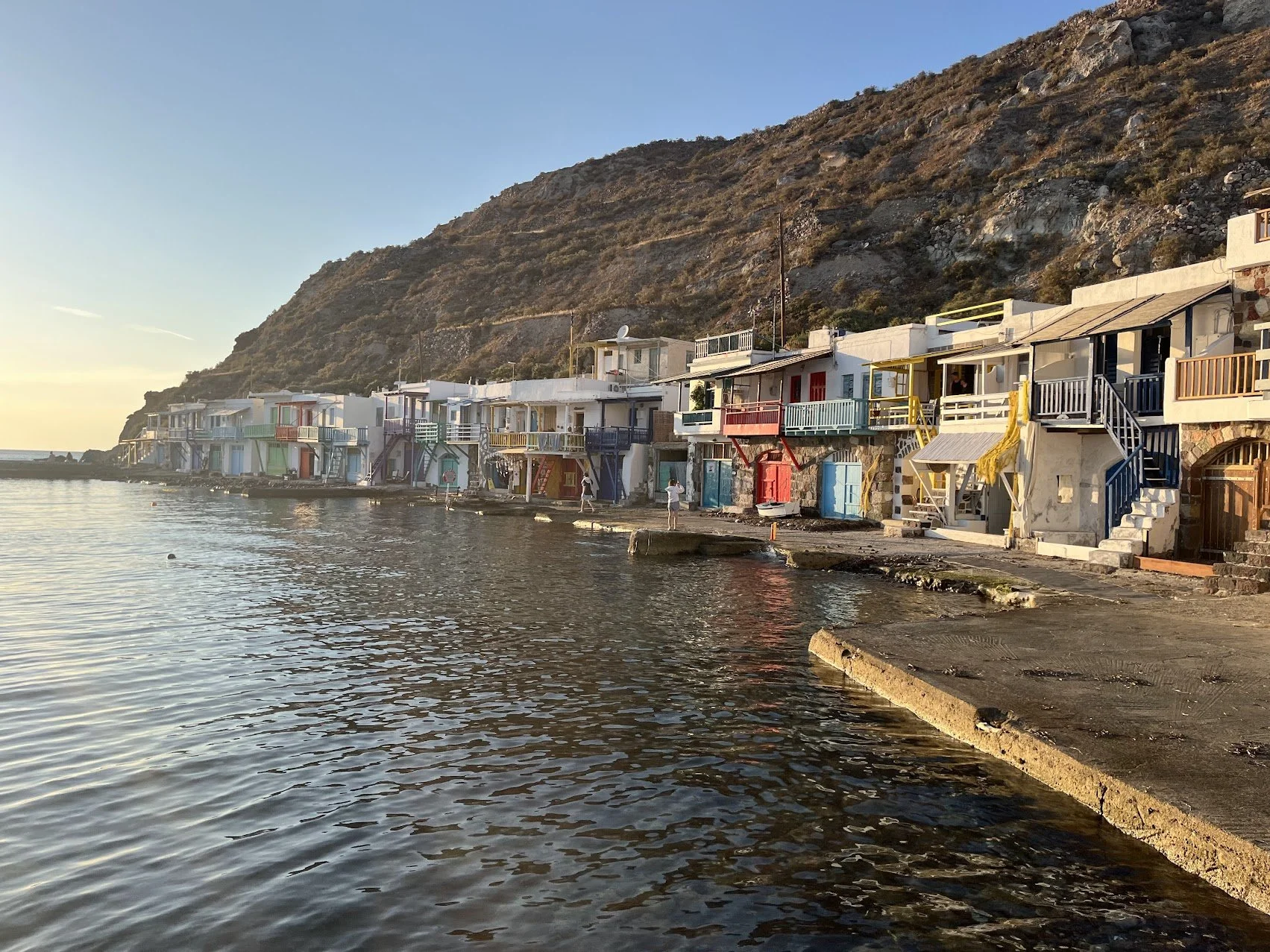
Klima’s fisherman’s cottages
We flew from Athens to Milos, picked up a rental car at the airport, and spent four nights in a traditional fisherman's boathouse right on the water in Klima. It was magical having morning coffee and evening cocktails on the rooftop deck with views of the sea.
Upon arrival our first task was finding food, which we successfully found at the highly-recommended O! Hamos!, a beachfront restaurant in Adamas. It turned into Katie's favorite meal of the entire trip. With handwritten menus and no reservations, it's got a warm, family taverna vibe. And the shepherd's salad with rye bread croutons is still on Katie's mind!
On our first full day we went to Sarakiniko, the white moonscape beach that has made Milos famous. We didn't have it in us to jump from the higher rocks into the sea the way some of the crowd was, but we enjoyed splashing in the water and climbing the rocks. Late afternoon we headed to Pollonia, a lovely town on the other side of the island. We started at Kostantakis Estate for a vineyard tour and wine tasting, followed with dinner in the marina.
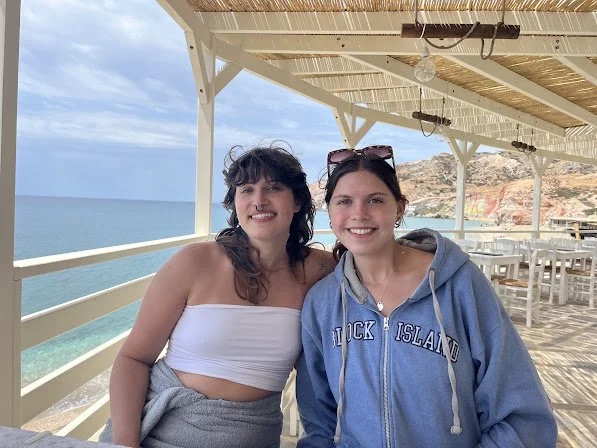
Lunch at Sirocco
Day two was the high-adventure day: a jet ski tour out to a nearby island, where we swam and walked along a deserted beach. We continued the beach theme by lazing away the afternoon at a beach club at Paleochori Beach (huge hit with the girls). And we can't forget our lunch just a few steps from the beach club at Sirocco, where the kitchen cooks directly in the volcanic sand of the beach itself. The sand holds the island's natural heat, and the fish goes in raw and comes out cooked, no fire, no oven, just the ground doing the work.
On our last day we went to Plaka, the island's capital, working through boutique shops and small cafes and, more than once, excellent ice cream, all packed into narrow, winding, pedestrian streets that kept opening up to a flash of blue ocean between the buildings.
Santorini: White-Washed Beauty
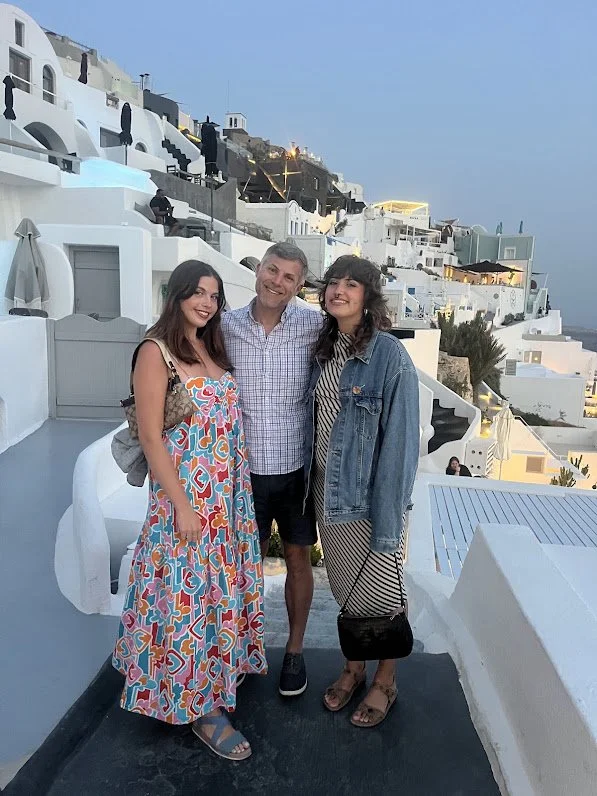
Santorini
Santorini is the view everyone pictures when they think of Greece: whitewashed buildings stacked down the cliff face along the entire rim of the caldera, and there's genuinely nothing else quite like it. We took a two-hour ferry from Milos and stayed in a three-bedroom villa cut directly into the cliffside in Imerovigli. We loved our caldera view, jacuzzi and the traditional cave architecture unique to Santorini. We loved that Imerovigli skipped the crowds packed into Oia and Fira without losing any of the view.
If you only do one thing during your Santorini stay, beyond enjoying the views, make it a boat trip around the caldera. We'd call it a must-do. We spent the day reaching beaches you can only get to by water, including one with black sand, snorkeling and enjoying the grilled lunch prepared by the crew. And of course cans of cold beer - not a bad way to spend a day.
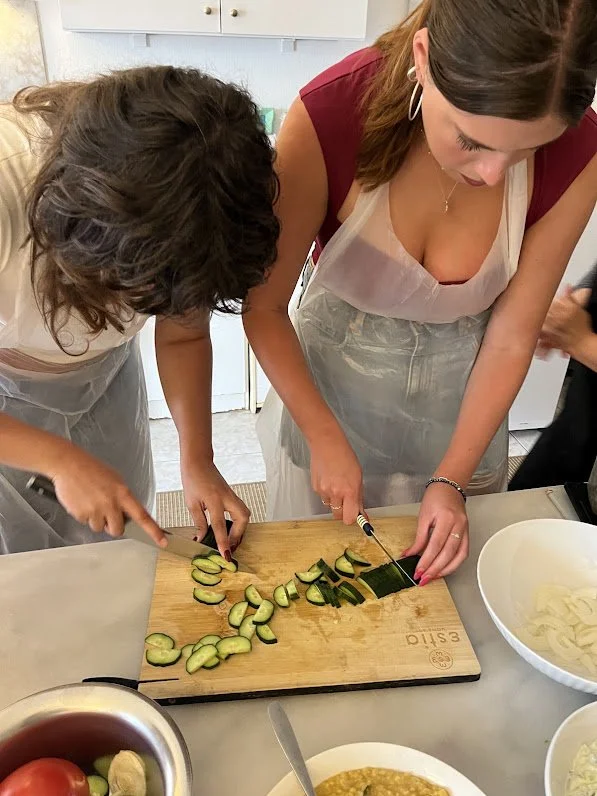
Cooking class in Oia
We also hiked from Imerovigli to Oia in the morning before the crowds and the heat, and Katie booked a cooking class at a Greek grandmother's house in Oia. The four of us split up the work and put together a full meal: Greek salad, tzatziki, a fava bean dip, and meatballs, then sat down and ate together with a glass of wine and a take-home bag stuffed fuller than we expected. Our last full day, a guide took us to his own favorite spots rather than a set list: Akrotiri, the Bronze Age settlement preserved under volcanic ash (locals call it Greece's Pompeii), and a tasting flight at Venetsanos, a winery built directly into the cliffside above the caldera. On the way, he stopped to show us how Santorini actually grows its grapes, coiled low into a basket shape close to the ground rather than trellised the way we're used to, developed over centuries to protect the vines from the island's wind and near-total lack of rain.
Reflections and Lessons Learned
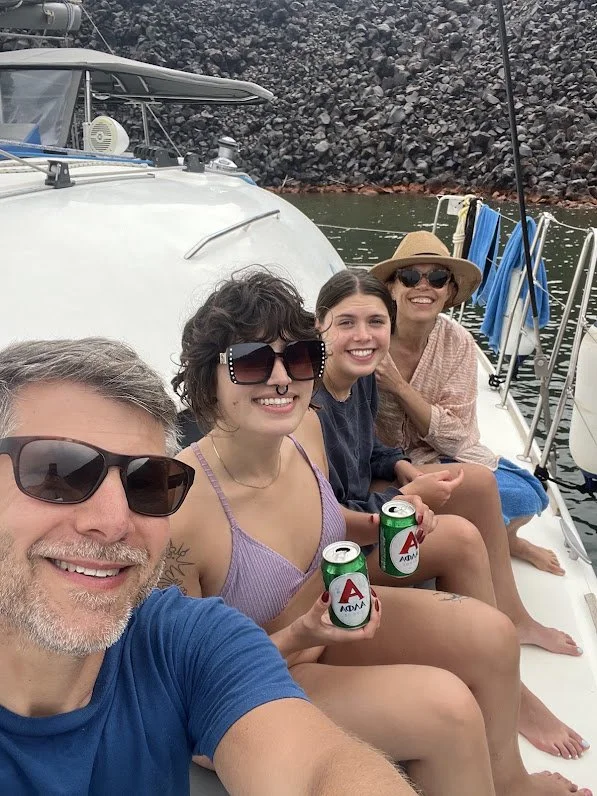
Santorini catamaran outing
We are the kind of travelers who like to hit the sightseeing first and leave relaxation for the end. Not everyone travels that way, so if you'd rather spend a few days unwinding before sightseeing, start on the islands and end in Athens.
We had time for both Delphi and Meteora, but if we'd been limited, we'd pick Meteora over Delphi without hesitation. History buffs might make the opposite case, but for sheer architectural drama, Meteora wins.
We loved Milos, genuinely, more than we expected to, and looking back, a lot of it came down to Milos still feeling lived-in: working harbors, uncrowded roads and beaches, amazing restaurants. Santorini had traffic and crowds everywhere; restaurants were overpriced for what we got. We're glad we saw it, but if we did it again, we'd spend only a night or two there and give the extra time to Milos or another island instead.
If you do include Santorini, we recommend starting or ending with it as there are direct flights to London and other major air travel hubs.
Greece had probably the best food of any places we’ve visited. Eat what's actually local at each stop, not just what's familiar. Some of the best food of the entire trip came from just going with what the region does best: heavier, meat-driven dishes inland around Meteora, then fish and seafood once we hit the islands.
Closing Thoughts
Two years on, we still think about this trip and pieces of it keep turning up in other people's Greece itineraries whether they realize it or not. The order matters less than you'd think: swap Delphi for a straight shot to Meteora, give Milos an extra night, trim Santorini down to what you actually want from it, and the shape still holds. If you've been circling Greece for a while and haven't figured out where to start, this is roughly what we'd tell you. We're always happy to have that conversation for real. It’s as easy as clicking this link >> Let’s Start Planning!
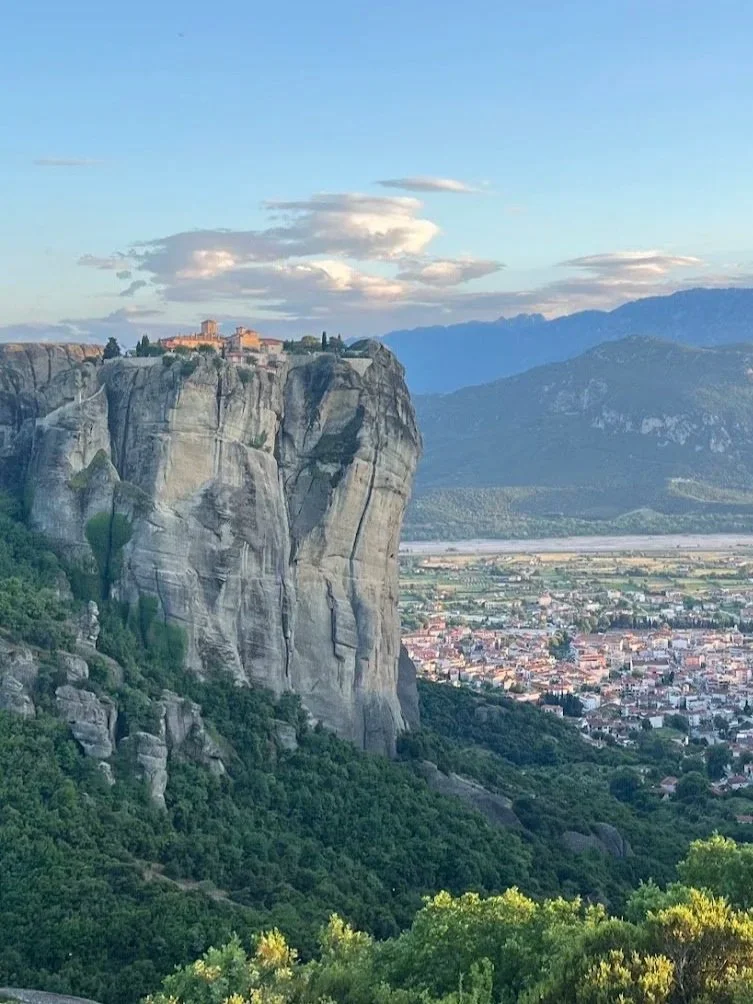
Meteora
